Best Time of Day to See Mount Fuji in Winter
When is Mount Fuji clearest in winter? Sunrise, morning and afternoon compared at Lake Kawaguchiko, the Chureito Pagoda and Lake Yamanaka, with sunrise and sunset times and Tokyo day-trip plans.
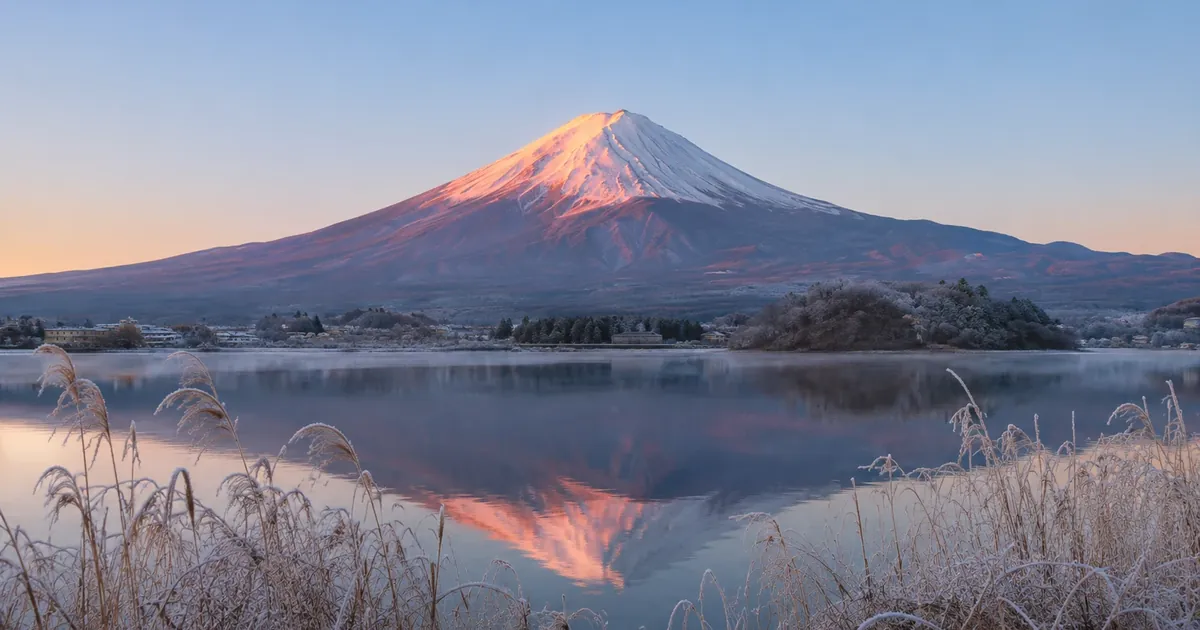
Early morning is usually the best time to see Mount Fuji in winter, from sunrise to about 10 a.m., though a clear late afternoon can look just as good. From December to February the cold, dry air often gives long, sharp views. Put your most important viewpoint first, stay flexible about cloud and leave time for a second try. On a day trip from Tokyo, aim to reach your first Fuji Five Lakes viewpoint between about 8 and 10 a.m.; for the sunrise itself, stay the night nearby or book a much earlier private pickup.
Check Availability
Sunrise, morning or afternoon: how they compare
No hour guarantees a view: cloud, wind and local weather change quickly. Each part of a winter day has its own advantage and its own cost.
| Time of day | Main advantage | Main drawback | Suits |
|---|---|---|---|
| Before sunrise to about 8 a.m. | Quiet viewpoints and changing dawn light | Cold, dark travel and possibly icy ground | Keen photographers and overnight visitors |
| About 8–10 a.m. | A good balance of visibility, light and easy access | Popular photo stops may already be busy | Most first-time visitors and Tokyo day trips |
| About 10 a.m. to noon | Comfortable sightseeing, attractions open | Local cloud can build, though not always | Families and standard day tours |
| Noon to 3 p.m. | Good for restaurants, museums and flexible sightseeing | Harsh light, haze or cloud may affect photos | Mixed-interest days |
| Late afternoon to sunset | Warm, low light and possible dramatic skies | Short winter daylight and the drive back | Photographers, couples and overnight visitors |
These time slots are itinerary suggestions; they are not hourly visibility odds. Japan’s national tourism organisation recommends early morning or late afternoon for close-up views and says crisp, clear winter days give the best distant views. Every slot has its exceptions.
Quick answer: for the most reliable plan, choose a clear winter morning. For soft, dramatic photos, try sunrise or late afternoon. For Diamond Fuji you need a specific spot on the right date at the right minute, so general sunset advice doesn’t apply.
Why winter gives the clearest Fuji views
Mount Fuji isn’t always hidden in summer, but warm, humid air brings more haze and cloud. In winter, drier, colder air often gives striking views of the snow-capped mountain, even from Tokyo. That is why December to February draw visitors despite the cold and the short days.
Winter isn’t cloud-free, though. Weather fronts, snow showers, strong wind and local cloud around the summit can still hide the mountain. And snow on the summit doesn’t mean snow on the roads or lakeshores; our guide to whether it snows at Mount Fuji in winter explains the difference.
Around the Fuji Five Lakes, a useful rule is to schedule the view you care about most before anything optional. Don’t spend the best part of a clear morning in a café, shop or museum and assume the mountain will stay out all day.
What makes mornings different
Overnight cooling favours clear, stable air, and cloud tends to build around the summit as the day warms. Over 35 years of 8 a.m., noon and 4 p.m. checks from Fuji City, the whole mountain was visible far more often in the morning than later in the day; our Mount Fuji visibility guide has the figures. That record comes from the south side. On the north side, around Lake Kawaguchiko, a viewing archive found almost no morning advantage in midwinter (see our cloudy-day backup plan). So treat morning as a sensible default, and check the day’s forecast and a live camera before you commit.
When the afternoon wins
Afternoons can be excellent. The low winter sun lights the mountain beautifully, and breaks in the cloud after a passing front can give spectacular late skies. If you arrive to a cloudy morning, the trip isn’t lost: check how the weather is moving and try a different viewpoint.
Winter sunrise and sunset times
Sunrise and sunset shift through the season. The times below are rounded planning ranges for the Lake Kawaguchiko area. Exact times shift by day and viewpoint.
| Month | Approximate sunrise | Approximate sunset | What it means for your day |
|---|---|---|---|
| December | 6:35–6:55 a.m. | 4:30–4:40 p.m. | Sunset comes early; schedule outdoor stops first |
| January | 6:45–6:55 a.m. | 4:40–5:10 p.m. | Very cold dawns, but useful morning light |
| February | 6:20–6:45 a.m. | 5:10–5:40 p.m. | Longer afternoons for lake and sunset photos |
Check the exact times for your date and spot, especially for sunrise, golden hour or Diamond Fuji. Hills can block the sun from a viewpoint for a while after the published sunrise time.
For a dawn shoot, be parked and set up 20 to 40 minutes before the light you want. Use permitted car parks and safe public paths only; winter ice is hard to see before daylight.
Best winter viewpoints by time of day
1. Lake Kawaguchiko: the most versatile choice
Lake Kawaguchiko makes a good base because you can move around the shore as the light shifts. On clear mornings the north shore gives the classic view of Fuji across the water. Oishi Park is an easy stop on a private-car day, though the flower displays of the warmer months are gone by midwinter.
When to go: early to mid-morning on a first visit; late afternoon for different light.
Tip: check a live camera before you drive from Tokyo. Wind can ruin a reflection, and still water is never guaranteed.
2. Chureito Pagoda: arrive early and allow for the climb
The viewpoint in Arakurayama Sengen Park frames Fuji behind the five-storey pagoda. A clear morning is the easiest choice for most photographers. Sunrise is rewarding too, but you climb a long flight of steps or a sloping path, and winter surfaces can be slippery.
When to go: morning, with extra time for the climb and photos.
Tip: most visitors don’t need to arrive before sunrise. With small children or someone with limited mobility, pick a flat lakeside viewpoint instead. Check the official Fujiyoshida live camera before you leave; our Chureito Pagoda visitor guide covers the climb.
3. Oshino Hakkai: a good late-morning stop
Oshino Hakkai is a village of spring-fed ponds with views of Fuji from some public spots. It fits neatly after an early lake or pagoda stop. Some lanes get busy, and not every pond or angle includes the mountain.
When to go: morning to late morning, especially on a route linking Fujiyoshida and Lake Yamanaka.
Tip: take your time there, but don’t swap it for your main Fuji panorama if the sky is exceptionally clear earlier in the day.
4. Lake Yamanaka: afternoon views and seasonal Diamond Fuji
Lake Yamanaka has wide views from several stretches of shore. In winter some spots see Diamond Fuji, when the sun appears to touch the summit. The exact time and place shift with the date, so you can’t turn up at any lakeside point at sunset and expect it.
When to go: morning for general landscapes; a precisely timed late afternoon for Diamond Fuji.
Tip: check an official date-and-location schedule and allow for traffic and parking. February is a key Diamond Fuji month at Lake Yamanaka, but cloud can still hide it.
5. Lake Shoji or Lake Motosu: fewer stops, more time with the view
If you want a quiet landscape session more than a list of attractions, the western lakes give you a different angle. They mean a longer drive from Tokyo and can be cold and windy at the shore.
When to go: morning or late afternoon, depending on the composition and your driving plan.
Tip: add one of them to a selective private itinerary; squeezing both into a packed day trip leaves too little time anywhere. Our Fuji Five Lakes comparison sets the lakes side by side.
Best time of day in each winter month
December: put the morning first, daylight is shortest
Early December can be very clear, but the sun sets around 4:30 p.m. near Kawaguchiko, which squeezes a day trip from Tokyo. Put the Chureito Pagoda or your main lake viewpoint early, have lunch near Kawaguchiko and finish optional stops before dusk.
The holiday weeks bring traffic and changed opening hours. For December weather and itineraries, see Mount Fuji in December 2026.
January: clear skies and very cold dawns
January often gives the crispest snow-cap photos, but expect sub-zero dawns around the lakes. Even when low roads look clear, shaded paths may be icy. For most people a first stop around 8 or 9 a.m. is a better balance than standing outside before sunrise.
For January weather and routes, see Mount Fuji in January 2027.
February: longer afternoons and special photo chances
February adds daylight, and late-afternoon photography around Lake Yamanaka gets interesting. Plan a Diamond Fuji trip around the specific date and viewing spot; the general rule that mornings are clearest does not apply to it.
Three itineraries planned around the light
These are sample schedules, not guaranteed driving or arrival times. Tokyo traffic, weather, road restrictions and your pickup point can change the day a lot.
Itinerary A: the practical winter day trip from Tokyo
Suits: first-time visitors who want the main views without a pre-dawn start.
| Approximate time | Plan |
|---|---|
| 6:30–7:00 a.m. | Leave Tokyo by private car, or take an early train or bus if the times suit |
| 9:00–9:45 a.m. | First Fuji viewpoint: the Chureito Pagoda or Lake Kawaguchiko, depending on the live view and mobility |
| 10:15–11:30 a.m. | Oishi Park or the north shore of Lake Kawaguchiko |
| Noon | Lunch or a warm café stop |
| 1:00–2:30 p.m. | Oshino Hakkai or another lakeside area |
| 2:30–3:30 p.m. | A last photo stop or an indoor backup |
| Late afternoon | Return to Tokyo, allowing for traffic |
Why it works: the main viewpoints come before lunch, and you can still switch if cloud covers one side of Fuji. The From Tokyo: Mount Fuji Private Tour With English Guide (from $319 per group, 4.9/5 from 900+ reviews) collects you in Tokyo and lets you choose the order of stops on the day. For more on this kind of day, see our Mount Fuji winter guide.
Itinerary B: a sunrise photo trip with a night at the lake
Suits: photographers, couples and anyone who wants dawn without a very early drive from Tokyo.
- The evening before: stay near Lake Kawaguchiko or Fujiyoshida and confirm where you can park.
- Before dawn: check the cloud and wind forecast; go only to a safe, legal viewpoint.
- Sunrise: photograph the mountain and sky as the light changes. Stay put; chasing several spots loses the best minutes.
- 8–10 a.m.: visit a second spot with a different composition.
- Late morning: breakfast, an onsen or a warm indoor stop.
- Afternoon: return to Tokyo or carry on with a two-day trip.
Why it works: you have the most flexibility around dawn and can adapt if the first hour is cloudy. Once you’re at the lake, the From Kawaguchiko: Mt. Fuji Private Tour with a Local Guide (six hours from $474, 5.0/5 from 50+ reviews) picks up locally, so you skip the drive from Tokyo. Our guide to where to stay at Lake Kawaguchiko lists rooms with a Fuji view.
Itinerary C: a late-afternoon landscape or Diamond Fuji trip
Suits: experienced photographers with a particular sunset composition in mind.
- Morning: travel from Tokyo without rushing to every landmark.
- Early afternoon: explore one or two nearby places while watching the cloud.
- Mid-afternoon: reach your viewing area and confirm safe parking and access.
- Before sunset: set up; use the date-specific Diamond Fuji timetable if that is your aim.
- After sunset: return to your hotel or drive back to Tokyo, allowing for darkness and icy roads.
Why it works: sunset is the purpose of the trip instead of a bonus at the end of an overloaded day.
Booking a private tour for the morning
A private Mount Fuji tour from Tokyo helps when you want an early pickup, a flexible order of photo stops or a driver who can reroute around the weather. A private driver can’t make Mount Fuji appear, though, and some operators have fixed hours or charge extra for very early starts and late returns. Our Mount Fuji private tours from Tokyo guide compares the options.
Before booking, ask:
- How early can the driver collect us from our Tokyo hotel?
- Can we choose the first stop using the morning live camera and forecast?
- Are the Chureito Pagoda, Oshino Hakkai and the lake viewpoints included, or charged as detours?
- Is the tour length counted from hotel pickup to drop-off?
- What are the overtime, toll, parking and admission charges?
- Does the car have winter tyres when they are needed?
- Can we swap a clouded-out viewpoint for another stop?
- Can a photography-focused tour run near sunrise or sunset?
How to check if Mount Fuji will be visible tomorrow
Combine the weather forecast with live cameras on the side of the mountain you plan to visit. A general Tokyo forecast isn’t enough.
The night before: check weather warnings, cloud cover, precipitation and road conditions for Kawaguchiko, Fujiyoshida and Yamanakako. See whether the morning or the afternoon forecast looks better.
Before you leave: open the official live cameras and compare at least two views, one around Lake Kawaguchiko and one from Fujiyoshida or Lake Yamanaka. Cloud can sit on one side of the mountain and not the other.
During the trip: don’t keep switching places to chase a mountain that is hidden everywhere. If the cameras show cloud across the region, enjoy an onsen, local food, a museum or a village stop, and check again later.
Useful resources:
- Official Fujiyoshida tourism live camera: includes the Chureito Pagoda and Arakurayama Sengen Park view.
- Official Mount Fuji climbing website: live-camera directory: links to cameras around the foothills and the region. Some high-altitude cameras stream only in the climbing season.
- Yamanashi Tourism Fuji-viewing cameras: a regional camera collection.
- Japan Meteorological Agency: forecasts, warnings and precipitation.
A webcam shows one moment. The mountain may appear briefly between clouds, and a stream can lag or go offline.
Photography tips for winter mornings and sunsets
Pick the viewpoint before the lens
At a lakeshore, a wide-angle lens takes in the setting and a moderate telephoto makes Fuji loom larger. At the Chureito Pagoda, your framing depends on where you stand and how busy the deck is. Bring a range of focal lengths; no single composition works everywhere.
Protect yourself from the cold
Wear warm layers, insulated shoes with grip and gloves you can work a camera in. Batteries drain faster in the cold, so carry spares in an inside pocket. Avoid changing lenses in blowing snow or damp air. Our Mount Fuji winter packing list has the full kit.
Don’t expect a reflection every morning
A reflection needs smooth water, the right angle and a clear view. A perfectly clear sky often comes with a rippled lake. Plan for a strong landscape photo; a mirror-image Fuji is a bonus.
Use a tripod considerately
Tripods are awkward in crowds and on narrow platforms. Follow each site’s rules, keep paths clear and don’t set up on icy edges. At sunrise, use a head torch without shining it at other photographers.
A clear midday photo can beat a golden-hour one
A sharp, high-contrast view at 11 a.m. can make a stronger travel photo than a lovely but clouded sunset. If this is your only visit, put seeing the mountain ahead of chasing a particular look.
If Mount Fuji is cloudy in the morning
First work out whether a small cap of cloud is hiding just the summit or thick cloud covers the whole region. Check the cameras and short-range forecast before driving to another lake.
You have three sensible options:
- Wait a little somewhere comfortable nearby if moving cloud suggests a gap is coming.
- Change viewpoint if a camera clearly shows another side of the mountain is out and the drive is practical.
- Change the plan to a lake walk, a traditional village, a museum or an onsen, then check the view again later.
Don’t take an unsafe mountain road just because the summit looks clear from below. Winter closures and conditions can stop you reaching the higher roads: the Fuji Subaru Line stays open only as far as snow allows. Our cloudy-day backup plan has more ideas.
Frequently asked questions
Is Mount Fuji clearer in the morning or afternoon in winter?
Early morning is a strong default because winter air is often crisp and clear, but late afternoon can give excellent visibility and light too, especially on the north side in midwinter. The day’s forecast and live cameras matter more than any general rule.
What time should I arrive at Lake Kawaguchiko to see Mount Fuji?
On an ordinary winter day trip, aim to arrive around 8 to 10 a.m. Photographers after the dawn light should be there before sunrise, which is much earlier.
Can I see Mount Fuji at sunrise in December?
Yes, weather permitting. Sunrise near Kawaguchiko is roughly 6:35 to 6:55 a.m. in December. That is early for travel from central Tokyo, so a night at the lake or a pre-dawn private pickup is usually easier.
Is January the best winter month for Mount Fuji visibility?
January can give excellent crisp views, but no month guarantees them. Pick your date for the whole trip and check the short-range forecast before you go.
Is February better than December for afternoon photography?
February sunsets come later, so you get more afternoon light. Which date photographs better depends on the weather, the direction of the light and the composition you want.
Can I photograph Mount Fuji at sunset from Lake Yamanaka?
Yes, several spots give lovely late-day views. For the sun to sit on the summit (Diamond Fuji), you need the right date and the exact viewpoint, so check the schedule in advance.
Will a 9 a.m. arrival guarantee a clear Mount Fuji view?
No. No hour guarantees a view. Cloud and rain or snow can hide Fuji at any time.
If Mount Fuji is covered by clouds at 8 a.m., should I cancel my tour?
Not automatically. Check the forecast trend, cameras around several lakes and the operator’s cancellation policy. Cloud can clear later, and the area has plenty to do even when the summit stays hidden.
Is sunrise at the Chureito Pagoda worth it in winter?
It can reward experienced photographers, but it means a cold, dark approach and a lot of steps. Most visitors will enjoy the viewpoint just as much in daylight, especially on a clear morning.
Can I see Mount Fuji from Tokyo in winter?
Yes, on clear days you can from suitable viewpoints in Tokyo. Distant views are at their best in crisp winter air, but buildings and the weather affect what you see.
What is the best winter Mount Fuji itinerary for a first-time visitor?
Put one major Fuji viewpoint before lunch, then add one or two nearby places such as Oshino Hakkai or another lakeshore. Avoid a plan with several long drives before the first photo stop.
Should I pay for a sunrise private tour?
Yes if you specifically want sunrise photos and can’t stay overnight. For a relaxed sightseeing day, a standard early departure is usually enough and costs less.
Can I visit Mount Fuji’s summit at sunrise in winter?
No, not as a sightseeing trip. The climbing routes are closed outside the summer season and winter climbing is extremely dangerous. This guide covers views of Mount Fuji from the surrounding area, not climbing it.
What if I have only one winter day in Japan to see Fuji?
Choose a flexible itinerary, arrive as early as you reasonably can and check the live cameras before you set off. Two or three strong stops beat a complicated route that leaves no room for the weather.
Choosing your window
Early morning is the best starting point for a Mount Fuji winter day trip, especially when you have one chance to see the snow-capped mountain. Reach the Fuji Five Lakes before late morning, watch the live cameras and put the most important viewpoints first.
If dramatic light matters more to you than ticking off sights, give sunrise or late afternoon its own itinerary and stay near Kawaguchiko instead of making a long, dark round trip from Tokyo. Check the forecast and the cameras the evening before, because the view can change overnight.
More Mount Fuji winter planning guides
- Mount Fuji in winter 2026–2027: December to February compared
- Does it snow at Mount Fuji in winter?
- Mount Fuji visibility guide
- Best Mount Fuji photo spots in autumn and winter
- Coming next: Mount Fuji in February 2027
Sources
- Japan National Tourism Organization: Top 30 spots for viewing Mt. Fuji: early morning or late afternoon for close-up views; crisp, clear winter days for distant views.
- Official Fujiyoshida Tourist Guide: Mount Fuji live camera: the Chureito Pagoda and Arakurayama Sengen Park view.
- Official Website for Mt. Fuji Climbing: live cameras: regional cameras and notes on seasonal high-altitude streams.
- Official Website for Mt. Fuji Climbing: weather: links to JMA warnings, summit observations and precipitation forecasts.
- Yamanashi Tourism: Fujisan Watcher: the Mount Fuji live-camera network.
Sunrise and sunset times on this page are rounded planning ranges; check the exact times for your date and viewpoint. Road access, opening hours and event schedules change, so recheck them close to your trip.
Your Own Car, Your Own Day at Mount Fuji
Rated 4.9/5 by more than 900 travellers. Hotel pickup in Tokyo, an English-speaking driver-guide, and an itinerary you set yourself — with free cancellation up to 24 hours before.
Check Availability & Book