Can You Climb Mount Fuji in November or Winter?
No: Fuji's summit trails are closed from 10 September 2026 until next July. The off-season rules, the 5th Station road in winter, and the Fuji-view hikes and trips that stay open.
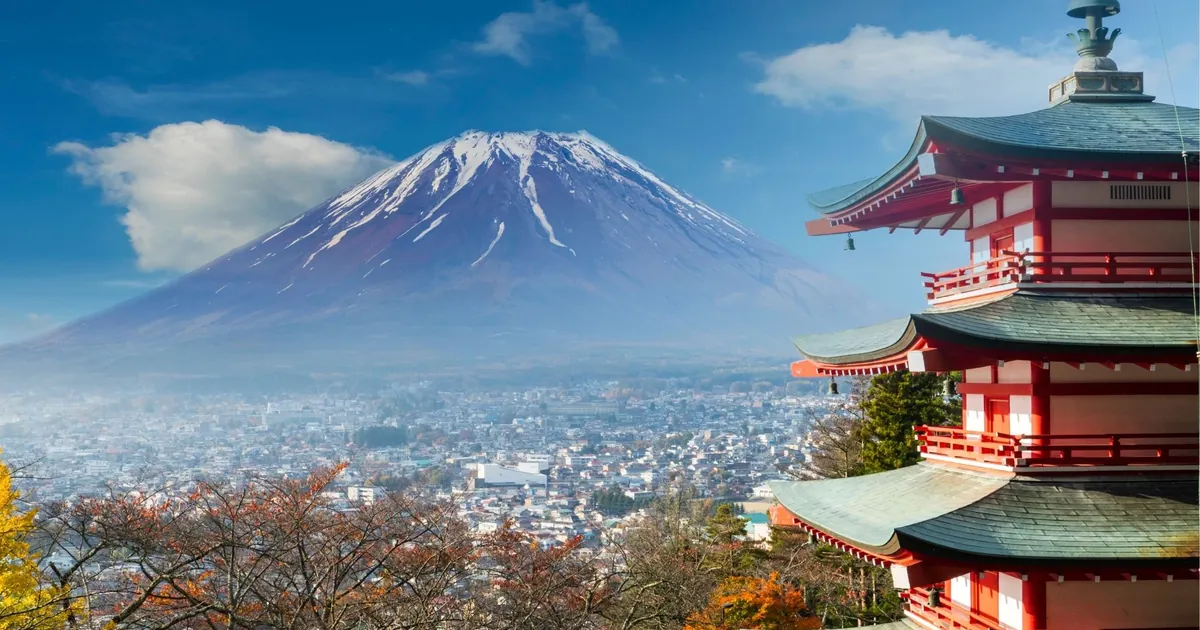
No. Mount Fuji’s 2026 climbing season ended on 10 September, and the summit trails stay closed until next July. Anyone who goes up in November or winter is making a winter alpine climb in conditions that kill experienced mountaineers. Visit from below instead: the Fuji Subaru Line 5th Station when the road is open, low hikes with big Fuji views, the lava caves, the ski slopes and lakeside onsen all stay open.
Check Availability
The off-season in brief
- Climbing is closed. All four summit trails closed on 10 September 2026, and entering the closed sections is prohibited. Yamanashi plans to charge for helicopter rescues of off-season climbers from September 2027.
- The 5th Station is sometimes open. Only the Fuji Subaru Line (Yoshida) 5th Station stays reachable into winter, snow permitting, and from 16 November its gate doesn’t open until 9:00. Last winter the road reached the 5th Station until 18 January 2026, then not again until 18 April 2026. The three 5th Stations on the Shizuoka side close for winter, usually in November.
- What to do instead: low Fuji-view hikes (Mt. Mitsutoge, the Kachi Kachi Ropeway, Mt. Ishiwari, Panorama-dai), the Aokigahara forest and its lava caves, snowshoeing, skiing at Yeti or Fujiten, and onsen with Fuji views.
Planning a November trip as a whole? Start with our Mount Fuji in November 2026 guide, then come back here.
Is climbing Mount Fuji allowed in November and winter 2026–27?
The 2026 season dates (now over)
The two prefectures that share the mountain set the season, and it is short. In 2026 the Yoshida and Subashiri Trails opened on 1 July, the Fujinomiya and Gotemba Trails on 10 July, and all four closed on 10 September.
| Trail | Prefecture | 2026 season | Closed in the off-season |
|---|---|---|---|
| Yoshida | Yamanashi | 1 July – 10 September | 5th Station to the summit |
| Subashiri | Shizuoka | 1 July – 10 September | 5th Station to the summit |
| Gotemba | Shizuoka | 10 July – 10 September | 5th Station to the summit |
| Fujinomiya | Shizuoka | 10 July – 10 September | 6th Station to the summit |
The crater-rim walk (ohachi-meguri) is closed too. The 2027 dates haven’t been announced; expect early July again.
Is it illegal?
The official climbing site, fujisan-climb.jp, lists the closed sections above and says plainly that the 2026 season has ended. The trails are closed under road law, and Japanese press reports (Tokyo Weekender and SoraNews24 among them) cite Article 46 of the Road Act, with a penalty of up to six months in prison or a ¥300,000 fine for using the closed sections. Our climbing season guide explains how the trails were reclassified so the gates could go up.
There is some nuance. The closure covers the official trails, not every square metre of the mountain, and a few experienced alpinists do climb in the off-season at their own risk. The official advice is blunt all the same: don’t climb outside the season. The joint safety guidelines say:
- Climbing outside the summer season is prohibited for anyone who isn’t fully prepared.
- Off-season climbers must write and submit a climbing plan.
- With the toilets shut, climbers must carry a portable toilet and take their waste down.
Submitting a plan does not make the closed trails legal to use.
What’s changing for 2027 (rescue fees and mandatory plans)
In September 2026 both prefectures announced tougher off-season measures:
- Yamanashi: on 14 September 2026 the prefecture said it plans to charge off-season climbers for rescues by its disaster-prevention helicopter, aiming to start in September 2027, and to require advance notice before climbing above the 6th Station. The amount isn’t set; officials are using Saitama Prefecture’s fee of ¥8,000 per five minutes of flight as a reference, and climbers who file a notice and prepare properly would pay less or nothing (Jiji Press via nippon.com).
- Shizuoka: plans to make off-season climbing plans compulsory, with a penalty for skipping them; the amount was not final when we checked. Shizuoka has not announced a helicopter fee.
- Both: barricades and sensors are planned to deter people from entering the closed trails.
None of this has passed into law yet, so check the official site before any 2027 trip.
The summer rules, for context (2024–2026)
If you are planning a summer climb instead, the rules have changed every year since 2024. For 2026 all four trails charge ¥4,000, the Yoshida Trail keeps its cap of 4,000 climbers a day (hut guests excluded) and its gate closure from 14:00 to 3:00, and Shizuoka asks climbers to complete e-learning and book a hut if they start between 14:00 and 3:00. Our climbing season guide has the full 2024–2026 history and the booking systems, and our guided climbing guide compares the summer operators.
Why off-season climbing is so dangerous
- Cold. The JMA weather station on the summit records average temperatures of −8.7 °C in November, −15.1 °C in December and −18.2 °C in January (1991–2020 normals). During Japan’s cold wave in January 2016 the summit reached −31 °C.
- Wind. Fuji is an isolated cone with nothing to break the wind. The summit station’s average wind speed is above 15 m/s from December to February, and gusts above 30 m/s, enough to knock you off your feet, are common.
- Ice, not snow. A Shizuoka rescue-squad leader quoted by Unseen Japan described the frozen upper slopes as “like an ice skating rink”. One slip can mean a fall of hundreds of metres.
- Avalanches and slush flows. The official Gotemba Trail page warns of a high risk of rockfall and avalanches once the trail closes, and spring thaws add slush avalanches.
- Nothing is open. Huts, first-aid stations and toilets close, signs are taken down, and phone coverage is unreliable.
- Rescue is slow. Helicopters often can’t fly in the wind, so ground teams carry people down over many hours.
The record is grim. Shizuoka prefectural police counted six off-season accidents on their side of the mountain in 2024 and nine in 2025. On 29 December 2025 a 44-year-old climber phoned police to say “I can’t move”, then slipped and died near the 7th Station. In April 2025 a 27-year-old student was rescued twice in one week: the first time he had lost his crampons near the summit, and the second time he had gone back up for his phone. Summer is dangerous too: Alo Japan reported six deaths during the 2026 summer season, and Tokyo Weekender counted three in the four days before the 10 September closure.
Is the 5th Station open in November and winter?
Fuji Subaru Line (Yoshida Trail 5th Station, 2,305 m)
This is the only 5th Station you can realistically visit in winter. The toll road has no fixed closing date; snow decides how far up you get. After heavy snow it may stop at the lower car park by the 1st Station or at the 4th Station (Osawa) car park, and it can close completely.
Gate hours (Yamanashi Road Public Corporation, checked September 2026):
| Period | Open (last descent) |
|---|---|
| 1–15 November | 4:30–17:00 (18:00) |
| 16–30 November | 9:00–17:00 (18:00) |
| December–February | 9:00–16:00 (17:00) |
| 1–15 March | 9:00–16:00 (17:00) |
| 16 March – 19 April | 9:00–17:00 (18:00) |
Toll: ¥2,800 return for a standard car, or ¥1,200 when only the lower section is open. It is cash only, with no credit cards or ETC, and you need winter tyres or chains.
Last winter’s pattern: according to the Yamanashi prefectural government, the road reached the 5th Station until 18 January 2026, and full access returned at 9:00 on 18 April 2026. This winter depends on the snow.
Bus: Fujikyu buses from Kawaguchiko Station take about 55 minutes to the 5th Station and run only when the road is open to the top. The off-season timetable valid from 1 October 2026 shows five departures a day, the first at 9:40, for ¥2,000 one way or ¥3,400 return (japan-guide.com). Check Fujikyu’s notices on the day.
Facilities: Visit Fujiyoshida says the tourist information centre stays open from 9:00 to 18:00 between December and March. Some shops close for winter: the Official Travel Guide Yamanashi lists the Gogoen Rest House as closed from January to March and Fujisan Miharashi as open only from April to mid-December, and the Komitake Shrine stall closes in heavy snow. Our Fuji Subaru Line 5th Station guide has the shop details and the summer car ban.
Before you go up: the 5th Station is often inside the cloud, and in deep winter it is well below freezing. Between mid-December and mid-March many day tours visit Oshino Hakkai instead. A private day keeps your options open: on the From Tokyo: Mount Fuji Private Tour With English Guide (from $319 per group, 4.9/5 from 880 reviews) the driver-guide takes you up the Subaru Line when the road is open and swaps in lower viewpoints when it isn’t. Our guide to the best Mount Fuji day tours from Tokyo for November and winter compares the coach tours.
All four 5th Stations in winter
| 5th Station (trail) | Access road | Usual winter status | Recent pattern |
|---|---|---|---|
| Fuji Subaru Line (Yoshida) | Fuji Subaru Line (toll) | Open snow permitting; often only to the 1st or 4th Station in mid-winter | Reachable until 18 January 2026; reopened 18 April 2026 |
| Fujinomiya | Fujisan Skyline (free) | Closed for winter, from November until late April | Closing date set by snow each year; reopened 24 April 2026 |
| Subashiri | Fuji Azami Line | Closed for winter, from November until late April or early May | Closing date set by snow each year |
| Gotemba (New 5th Station) | Fuji Park–Tarobo Line | Closed for winter, from November until late April or early May | Closing date set by snow each year |
The Fujinomiya Tourism Association’s notice is explicit: during the winter closure, traffic is prohibited under the Road Act. “Please do not enter the hiking trails.”
What’s open instead: safe, legal Fuji experiences
Low-level hikes with Fuji views
These are proper hikes, not strolls, but they stay well below the dangerous upper slopes. From December, carry microspikes (chain spikes) on any trail above about 1,300 m.
| Hike | Difficulty | Round-trip time | Access | Fuji view | Winter notes |
|---|---|---|---|---|---|
| Mt. Kachi Kachi (Panoramic Ropeway, deck at about 1,075 m) | Easy | 3-minute ropeway; about 30 minutes’ walk down | Walk or bus from Kawaguchiko Station | Excellent, over the lake | Runs all year; stops in high wind |
| Chureito Pagoda (Arakurayama Sengen Park) | Easy (398 steps) | 1 hour | Shimoyoshida Station | The classic pagoda view | Steps can ice over early in the morning |
| Lake Shoji Panorama-dai (about 1,300 m) | Easy to moderate | About 2.5–3 hours | Bus to Kodaki Fuji View Point (about 50 minutes) | Huge and close | Possible snow; spikes advised |
| Mt. Ishiwari (1,413 m) | Moderate | About 2 hours | Bus or taxi from Yamanakako | Fuji and Lake Yamanaka | Snow and ice patches; spikes or snowshoes |
| Mt. Shakushi (1,598 m) | Moderate | About 2–3 hours on the short routes | Car or taxi recommended | Very close | Light snow; spikes; the long route from Nijumagari Pass takes about 6 hours |
| Mt. Mitsutoge (1,785 m) | Moderate to hard | 4–5 hours | Mitsutoge Station or bus | Classic panorama | Usually snow-free from April to mid-December; spikes after that |
| Mt. Kurodake (1,793 m) | Moderate to hard | 4–5 hours | Car or bus to Misaka Pass | Superb from the lookout | Best from November to January; snow likely in February and March |
| Mt. Ashitaka / Echizendake (1,504 m) | Moderate | About 4–4.5 hours | Bus or car from Gotemba (Jurigi) | The south-side view | Light snow; the steep descent can be icy |
Skip in winter: Mt. Junigatake above Lake Saiko has chains, ladders and a suspension bridge, and hikers report icy traverses into April. Save it for spring or autumn. If you were looking for “Mt. Nijuku”, Nijumagari Pass is a trailhead for Ishiwari and Shakushi, not a separate summit.
Kachi Kachi Ropeway fares: an adult return costs ¥1,000 until the end of October 2026 and ¥1,200 from 1 November 2026. Tokyo Cheapo and KeepGoodTrip give the child return as rising from ¥500 to ¥600; revised one-way fares hadn’t been published when we checked.
Aokigahara forest and lava caves
Marked nature trails through the Aokigahara forest link the Narusawa Ice Cave and the Fugaku Wind Cave, two lava tubes that stay at around 0–3 °C. The caves’ official site gives winter hours of 9:00 to 16:30 from 16 November to 15 February, and 9:00 to 16:00 from 16 to 28 February; hours can change with the weather and conditions inside the caves. Admission is a few hundred yen per cave. Winter is the best time to see the ice pillars inside. A licensed local guide explains the geology and history and keeps you on the trails; guided Aokigahara walks are sold mostly through local operators, and the few online listings we found had fewer than ten reviews each. If you are touring by car, the Tokyo: Mt. Fuji & Hakone Private Custom Tour English Driver (from $315 per group, 4.8/5 from 807 reviews) builds the itinerary with you, and one reviewer’s family added the ice caves to their day.
Snowshoeing and snow hikes
Snow at low levels around the Five Lakes is unreliable, so guided snowshoe and snow-hike trips mostly run from about January to March. Montbell’s Aokigahara and Sankodai snow hike ran in February 2026 for ¥8,500, and Nature Guide LIS charges ¥16,000 for its Fuji-view snow treks. Operators usually supply the snowshoes or spikes. Book these directly with the local operators.
Skiing on Fuji’s lower slopes
- Fujiyama Snow Resort Yeti (south side, around the 2nd Station): the resort gives its 2026–27 opening as 23 October 2026, with one slope at first. The season is planned to run until 28 March 2027, with night skiing from 17:00 to 22:00 on most nights.
- Fujiten Snow Resort (north side, near Kawaguchiko): it usually opens in mid-December and runs into early April, and a winter shuttle runs from Kawaguchiko Station. Check this season’s dates on the resort’s site.
Easy, low-effort favourites
- Oshino Hakkai: spring-fed ponds, free and open around the clock. Our Oshino Hakkai visitor guide covers the village.
- Shiraito Falls (Fujinomiya): open all year and free. Fuji Inter Hotel’s guide says the main car park charges ¥500 per car and closes at 16:30 in winter.
- Fujisan World Heritage Center (Kawaguchiko): in winter it closes at 16:00 or 16:30 (its own pages list both for December to February), and the North Hall is free. A good stop on a rainy day.
- Onsen with Fuji views: many Kawaguchiko ryokan have open-air baths facing the mountain; our guide to where to stay at Lake Kawaguchiko lists the ones with private Fuji-view baths.
Visiting in early November? Pair your trip with the Fujikawaguchiko Autumn Leaves Festival 2026.
Guided winter ascents: do they exist?
Yes, but they are mountaineering expeditions, not tours. Certified guides advertise off-season climbs, and the reputable ones limit both the season and who they take. Kanto Adventures, for example, guides snow climbs only from early May to early June and from late September to early November, from ¥34,500 according to its site. It requires snow experience for early-May trips and teaches ice-axe self-arrest during the climb. Mid-winter ascents listed on Explore-Share are open only to climbers with full winter mountaineering experience above 3,000 m who bring their own equipment.
You’d need crampon-compatible mountaineering boots, 10–12-point crampons, an ice axe, a helmet, alpine insulation and, above all, practised self-arrest. A guide doesn’t change the trail closure, and from September 2027 Yamanashi also plans to charge for helicopter rescues.
Our view: if you have to ask whether you can climb Fuji in winter, you shouldn’t. Come back between July and 10 September.
What to wear: low-level hikes and the 5th Station
Kawaguchiko’s average lows are −5.7 °C in January and −4.8 °C in February, based on JMA 1991–2020 normals. The 5th Station is colder still, with wind chill on top. Our full winter packing list covers layers, footwear and chain spikes.
- Base layer: merino or synthetic, never cotton.
- Mid layer: fleece or light down.
- Shell: a windproof, waterproof jacket. The wind is what makes you cold.
- Hands and head: a warm hat, gloves (plus a thin liner pair for photos) and a neck gaiter.
- Feet: waterproof hiking boots with good tread, plus microspikes for icy trails, the Chureito Pagoda’s steps and the 5th Station car park.
- Extras: hand warmers (kairo), sunglasses for snow glare, a headlamp (sunset is around 16:30) and a thermos.
Winter safety checklist
- Stay off the summit trails. They are closed.
- Check the Fuji Subaru Line status and the Fujikyu bus before heading up.
- Carry cash for the toll and the 5th Station bus ticket window.
- Pack microspikes for any trail above about 1,300 m from December.
- Start hikes early and aim to be down by 15:30.
- Tell someone your route, and carry a charged phone and a power bank.
- Check the JMA forecast and the wind; turn back in high wind or a whiteout.
- Hire a car only with winter tyres; otherwise use tours or buses.
- Buy travel insurance that covers hiking and rescue.
For the journey from Tokyo, our Tokyo to Mount Fuji transport guide compares the bus, the train and the car, and bus vs train vs tour in winter adds the winter timetables.
Frequently Asked Questions
Can you climb Mount Fuji in November?
No. The 2026 season ended on 10 September, and the summit trails are closed until July 2027. November also brings snow, ice and an average summit temperature of −8.7 °C.
Is Mount Fuji open in winter?
The summit trails are closed, but the area around the mountain is open: the lakes, low hikes, the caves, the ski resorts and, snow permitting, the Fuji Subaru Line 5th Station.
Can you go to the Mount Fuji 5th Station in December or January?
Sometimes. The Subaru Line gate is open from 9:00 to 16:00 from December to February, but after heavy snow the road stops lower down. Last winter the 5th Station was reachable until 18 January.
What is the fine for climbing Mount Fuji off-season?
Press reports cite the Road Act, with up to six months in prison or a ¥300,000 fine for using the closed trails. From September 2027 Yamanashi plans to charge for helicopter rescues, and Shizuoka plans to require climbing plans, with a penalty for skipping them.
Is there a guided winter climb of Mount Fuji?
Only for experienced winter mountaineers, mostly in late autumn or spring. It is not suitable for tourists.
Is Aokigahara safe to visit in winter?
Yes, if you stay on the marked trails, ideally with a guide. The caves keep shorter winter hours, so check their official site before you go.
What’s the best easy Fuji view in winter?
The Kachi Kachi Ropeway, or the Chureito Pagoda at sunrise. Winter’s dry air brings some of the clearest views of the year.
When can I climb Mount Fuji next?
Expect the 2027 season to run from early July to 10 September. The prefectures usually announce the dates in spring.
Facts to re-check close to your travel date
- The Fuji Subaru Line status, gate hours and toll (Yamanashi Road Public Corporation).
- The Fujikyu bus timetable and fare from Kawaguchiko to the 5th Station.
- The winter closure dates for the Shizuoka roads (Skyline, Azami Line, Tarobo Line).
- 5th Station shop hours (Gogoen, Miharashi, the Komitake stall).
- The final details of the 2027 rescue fees and plan requirements in both prefectures.
- Narusawa Ice Cave and Fugaku Wind Cave hours.
- Kachi Kachi Ropeway fares after 1 November 2026.
- Fujiten’s 2026–27 opening date and shuttle, and which Yeti slopes are open.
- Fujisan World Heritage Center winter hours.
- The 2027 climbing season dates on fujisan-climb.jp.
Related reading
- Mount Fuji in November 2026: visibility, weather and the best week to go
- Mount Fuji climbing season and rules: the summer season, fees and booking
- Fuji Subaru Line 5th Station guide: the road, the shops and the winter closure
- Compare all six private Fuji tours, side by side with live prices
Your Own Car, Your Own Day at Mount Fuji
Rated 4.9/5 by 675 travellers. Hotel pickup in Tokyo, an English-speaking driver-guide, and an itinerary you set yourself — with free cancellation up to 24 hours before.
Check Availability & Book