Lake Kawaguchiko in Winter 2026–2027
Lake Kawaguchiko from December to February: winter weather, the best Mount Fuji viewpoints, the ropeway closure, fireworks, onsen, getting there from Tokyo, where to stay and three itineraries.
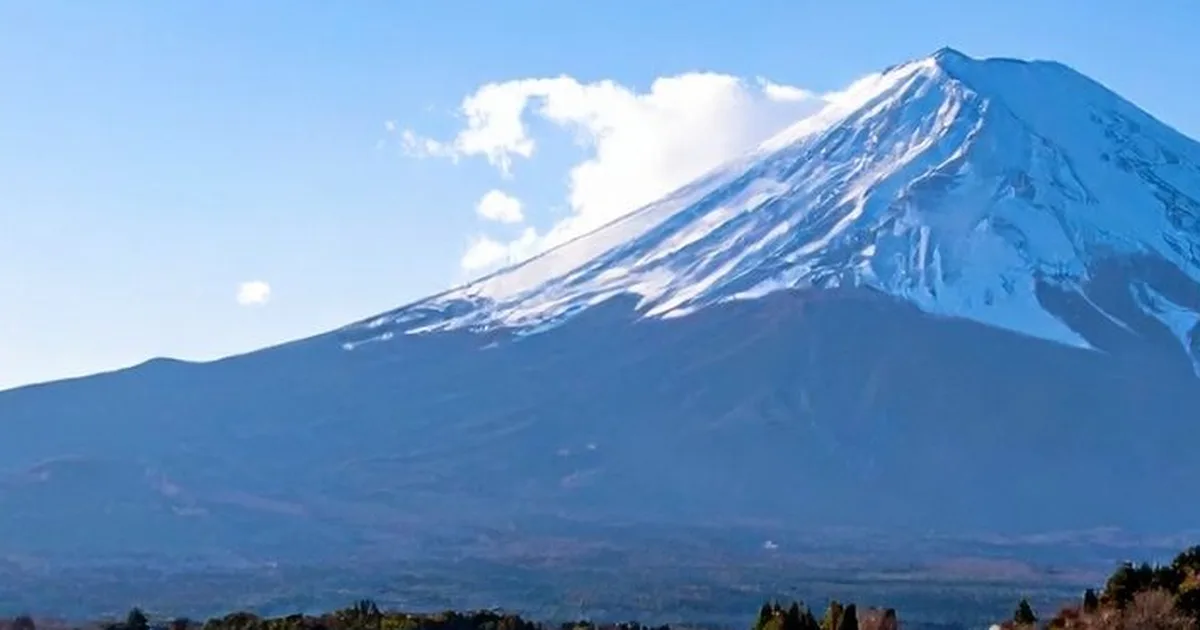
Lake Kawaguchiko is one of the easiest places to see snow-capped Mount Fuji in winter. From December to February the air is often crisp, the shore is quieter than in cherry-blossom or autumn-leaf season, and you can fill a day with viewpoints, short walks, museums and hot springs. Expect freezing mornings, short days and the odd snowfall that slows buses and roads. You don’t need to climb anything to enjoy it.
Check Availability
For a first visit, one full day covers two or three viewpoints and a warm lunch. Stay a night if you want an onsen evening, sunrise photos or the winter fireworks. Below you’ll find what each month is like, how to get there from Tokyo, which sights work in the cold, and when a private tour makes sense.
Planning note (checked 14 November 2026): the 2027 dates for the Lake Kawaguchiko winter fireworks have not been announced yet. The Mt. Fuji Panoramic Ropeway also has a reported maintenance closure from 7 to 18 December 2026; confirm it with the operator before you plan a day around it.
Quick answers: is Kawaguchiko worth visiting in winter?
| Question | Short answer |
|---|---|
| Is winter a good time to visit? | Yes, if seeing Mount Fuji and taking photos are your priorities. Clear views are common but never guaranteed. |
| Does Lake Kawaguchiko freeze? | Temperatures drop below zero, but never assume the lake is frozen solid or safe to walk on. |
| Does it snow around the lake? | Sometimes. Snow at lake level comes and goes; the summit is usually white all winter. |
| Is December or January better? | December is a little milder; January is colder and looks more wintry. Pick by your dates and plans, since neither month promises a clearer view. |
| Can you make a day trip from Tokyo? | Yes. The highway bus from Shinjuku takes about 1 hour 45 minutes and the Fuji Excursion train about 1 hour 54 minutes, longer in traffic or snow. |
| Do you need a car? | No for the main lake sights. A private driver helps with flexible stops, children and places the buses reach slowly. |
| Can you visit the Mount Fuji 5th Station? | Don’t count on it. The high road closes for snow and ice, sometimes for days. |
| Is a hotel worth it? | Yes for early views, an evening onsen and fireworks nights. |
Weather in Lake Kawaguchiko in December, January and February
The lake sits at about 860 metres, so it is much colder than central Tokyo, above all after sunset. These are the Japan Meteorological Agency’s 1991–2020 normals for the Kawaguchiko weather station, long-term averages and not a forecast for this winter:
| Month | Average high | Average low | Mean temperature | What it feels like |
|---|---|---|---|---|
| December | 8.5°C | −2.9°C | 2.3°C | Cold days, frosty mornings, mostly dry |
| January | 5.5°C | −5.7°C | −0.4°C | The coldest month; paths can be icy |
| February | 6.6°C | −4.8°C | 0.6°C | Still deep winter; occasional snow and very cold mornings |
Source: Japan Meteorological Agency Kawaguchiko climate normals and the temperature normals breakdown.
The open lakefront feels colder than the figures when the wind picks up. Bring an insulated jacket, base layers, gloves, a hat and shoes with a good grip; thin fashion trainers slip on icy paths. If you’ll be out for sunrise or standing still for the fireworks, add another layer and some hand warmers. Our Mount Fuji winter packing list goes item by item.
December: easier winter sightseeing
December suits you if you want a snow-capped Fuji without the year’s coldest days, though early mornings still drop well below freezing. A day built on Oishi Park, the north shore and a lakeside lunch works well. Check the ropeway’s maintenance dates before you add it.
Read more: Mount Fuji in December 2026.
January: the classic cold-weather experience
January gives you the sharpest winter scenery. Use a calm, clear morning for the mountain, then go indoors for lunch or a museum in the coldest part of the day. If the fireworks are on while you’re there, staying the night is far easier than heading back to Tokyo afterwards.
Read more: Mount Fuji in January 2027.
February: winter scenery and seasonal events
February stays cold and adds the evening fireworks at Lake Kawaguchiko and, some years, the ice displays at nearby Lake Saiko. Both need checking for 2027. A February night lets you pair daytime views with an evening event, though weather can still cancel either.
Will you actually see Mount Fuji?
For most visitors the mountain is the reason to come. Winter often brings clear air and a bright snow cap, but no month guarantees a view, and Fuji can sit behind cloud while the lake itself is in sunshine.
To give yourself the best chance:
- Check the live webcams and the local forecast the evening before and again in the morning. A sunny forecast for Tokyo tells you nothing about cloud over Fuji.
- Go to the mountain-facing viewpoints first. If Fuji is out when you arrive, take your photos before you head indoors.
- Keep the day reversible. A museum or an onsen makes a good plan B when the summit hides.
- Think about staying a night. Two mornings give you two chances, though neither is certain.
The temperature averages above say nothing about whether Fuji will be visible on your date. Our Mount Fuji visibility guide covers the odds month by month.
Best places to visit around Lake Kawaguchiko in winter
1. Oishi Park: the easiest lake-and-Fuji panorama
Best for: first-time visitors, wide landscape photos and easy sightseeing.
Oishi Park is on the north shore, where the lake makes a foreground for Mount Fuji. The summer lavender is gone in winter, but on a clear day the open view is excellent for snowy mountain photos. The Kawaguchiko Natural Living Center next door and the cafés around Oishi let you warm up; their hours vary.
The Red Line sightseeing bus runs from Kawaguchiko Station to the Natural Living Center stop for Oishi Park. The park is open-air and always accessible, while the shops keep set hours. It is a natural first stop on a private tour too.
Winter tip: go early instead of leaving Oishi Park to the last hour of daylight, and expect slippery patches after snow.
2. Nagasaki Park and the quieter north shore
Best for: unhurried photography and an open lakeside walk.
The stretch of north shore around Nagasaki Park gives you different angles and foregrounds from Oishi Park, with shoreline branches and, when the water is calm, reflections. Wind ruffles the surface quickly, so don’t count on a mirror image.
Treat it as a short second stop, not a long winter hike. Buses run along this side of the lake, but check the service gaps and the walk from the stop on the day.
3. Mt. Fuji Panoramic Ropeway: an elevated view
Best for: seeing the wider landscape from above without a climb.
The Mt. Fuji Panoramic Ropeway climbs to an observation deck at about 1,075 metres, looking over Lake Kawaguchiko to Mount Fuji. From 1 November 2026 a return ticket costs ¥1,200 for adults and ¥600 for children. On a clear day the panorama is superb, but wind, weather and inspections can stop it.
Important for December 2026: a maintenance closure has been reported for 7 to 18 December, and winter operating hours end earlier than in summer. Check the official ropeway website for the current timetable, closure notices and prices before you buy any other timed tickets.
If the ropeway is shut, spend longer on the north shore or go to a museum. Don’t build the whole day around one attraction that depends on the weather.
4. Oike Park and the south-shore promenade
Best for: an easy lakeside stroll, a central location and the winter fireworks.
Oike Park is close to central Kawaguchiko and is the main viewing area for the winter fireworks. It makes a handy stop even without the event, above all if you’re staying near the station or on the south shore.
For photos, the framing of Mount Fuji changes a lot around the shore, and the classic lake-and-summit shot usually works better from the north side. Come to Oike Park for convenience and the evening atmosphere.
5. Kawaguchiko Music Forest Museum: a cold-weather alternative
Best for: couples, families and anyone who needs an indoor-friendly afternoon.
The Kawaguchiko Music Forest Museum has landscaped grounds, exhibits and performances of automatic musical instruments. It works well when the summit disappears or a long day outside gets too cold.
The museum lists standard hours of 10:00–17:30, with last entry at 17:00, and warns that hours and closing days can change. Check its official business information for your date. Some of it is outdoors, so it isn’t fully weatherproof.
6. Itchiku Kubota Art Museum: textiles and a quiet indoor stop
Best for: art and design lovers, or anyone spending two days at the lake.
This museum shows the kimono of textile artist Itchiku Kubota in an unusual building and garden. It is a cultural stop more than a Fuji viewpoint, which makes it useful in poor weather. Check winter hours and any temporary closures before you go.
7. An onsen with Mount Fuji views
Best for: couples, overnight guests and anyone who needs to warm up.
A hot-spring bath is one of the best parts of a winter visit, but not every onsen takes day visitors or has private baths. Some ryokan baths are for overnight guests only, and whether you see Fuji depends on where the bath faces, privacy screens and the weather.
Before you book, check day-use entry, opening hours, towel rental, tattoo rules, private-bath availability and whether children are allowed. If the bath is the main reason you’re choosing a hotel, ask the hotel directly. Our where to stay at Lake Kawaguchiko guide lists the ryokan whose rooms and baths face Fuji.
8. Lake Saiko and Iyashi-no-Sato Nenba: beyond Kawaguchiko
Best for: travellers with a private driver or a two-day stay.
The thatched farmhouses of Saiko Iyashi-no-Sato Nenba look especially atmospheric in winter, and Lake Saiko adds quieter scenery and cultural stops. Buses take longer to get here, so keep it for a day when you aren’t also trying to cover the whole north shore.
The Saiko Ice Festival is a recurring winter event, but its 2027 dates had not been announced when we checked. Look for the announcement on the Fujikawaguchiko tourism site before you make it the main reason for your trip.
Lake Kawaguchiko winter fireworks 2027: what is confirmed?
The winter fireworks are an established Lake Kawaguchiko event, held on selected evenings from late January to late February, with a display of about 20 minutes from 20:00. Launch sites in past years have included Oike Park, Tatami-iwa and Yagizaki Park. The 2026 edition ran from 24 January to 23 February 2026; that is not the 2027 calendar, which had not been published when we checked. Watch the Fujikawaguchiko tourism site for the 2027 announcement before you book a non-refundable hotel around it.
Should you stay overnight for fireworks?
Yes, if the fireworks are a big part of why you’re going. A display that starts at 20:00 doesn’t fit a normal day trip from Tokyo. Staying the night lets you have dinner, watch and walk back to your room without watching the clock for the last bus. A hotel within walking distance of the viewing area helps, though some south-shore rooms don’t face Fuji.
Dress warmer than for daytime sightseeing, because you’ll be standing still outside at night. Arrive early enough to find your spot and follow any temporary road closures.
Three realistic winter itineraries
These are planning examples, not promises about transport or exact journey times. Check opening hours and winter notices for your actual date.
Itinerary A: one-day first-timer’s trip from Tokyo (train + Red Line)
| Approximate time | Plan | Why it works |
|---|---|---|
| 07:30–09:45 | Travel from Shinjuku to Kawaguchiko; services vary by date | An early start gives you more usable daylight |
| 10:00–11:30 | Red Line to Oishi Park; photograph Fuji if it’s out | Puts the signature view first |
| 11:30–12:45 | Lakeside lunch or café | A warm indoor break |
| 13:00–14:15 | Nagasaki Park and the north shore or the Music Forest Museum | Choose by the weather and your interests |
| 14:30–15:45 | Ropeway if it’s running or the central lake promenade | A flexible end to the day |
| Late afternoon | Back to Kawaguchiko Station and Tokyo | Leaves room for early darkness and the return connection |
Don’t add the Chureito Pagoda, Oshino Hakkai and Lake Yamanaka to this public-transport day. Each is a separate trip, and together they turn a pleasant day into a race between connections.
Itinerary B: private winter day trip with a flexible Fuji-view route
- 07:00–07:30: leave Tokyo by pre-booked car. The drive can take much longer in heavy traffic or bad weather.
- Morning: a viewpoint around Lake Kawaguchiko. If Fuji is clear, go straight to Oishi Park and the north shore.
- Late morning: a second short viewpoint, or the Chureito Pagoda if conditions, road access and your knees allow; it means a long climb of steps.
- Lunch: around Kawaguchiko or Fujiyoshida.
- Afternoon: the ropeway (only if it’s running), an indoor museum, an onsen with confirmed day entry or a short cultural stop.
- Late afternoon: back to Tokyo, with time in hand for traffic and the early dark.
Why a private tour helps: you can reorder stops around the cloud, skip the waits for lake buses and get back into a warm car between viewpoints. The From Tokyo: Mount Fuji Private Tour With English Guide (from $319 per group, 4.9/5 from over 900 reviews) collects you from your Tokyo hotel and lets you agree the stops with your driver-guide on the day. Ask what the price includes: tolls, parking, pick-up, child seats and admission fees. A driver can’t make Fuji appear or open a mountain road closed for winter.
For more options, see our best Mount Fuji day tours from Tokyo in winter.
Itinerary C: two days, one night with onsen and optional fireworks
Day 1
- Arrive late morning or around lunchtime.
- See Oishi Park and one other north-shore viewpoint while it’s light.
- Check in to a ryokan or hotel near the lake.
- Have a bath and dinner. If the fireworks are on that night, watch from a public viewing spot or a room with a view you’ve confirmed.
Day 2
- Get up early and check whether Fuji is out.
- Take sunrise photos from a public, safe shoreline spot or from your room.
- Visit the ropeway, a museum or a nearby village, depending on weather and opening hours.
- Head back to Tokyo in the afternoon.
Best for: photographers, couples, families with young children and anyone who wants a second chance if Fuji hides on day one. If you’d like a guide for the second morning, the From Kawaguchiko: Mt. Fuji Private Tour with a Local Guide (from $474 per group, 5.0/5 from over 50 reviews) starts at the lake, so you skip the drive from Tokyo.
How to get to Lake Kawaguchiko from Tokyo in winter
By direct train
The Fuji Excursion limited express runs from Shinjuku to Kawaguchiko on selected departures and takes about 1 hour 54 minutes; the fare is about ¥4,200 one way. You can also take a JR train to Otsuki and change to the Fujikyu Railway. Seats and timetables change, so check the current ones at Fujikyu Railway.
Good for: solo travellers, couples and anyone who’d rather avoid road traffic.
Limitation: you still need a bus, a taxi or a walking plan once you reach the lake.
By highway bus
Direct highway buses run from Shinjuku and other Tokyo terminals to Kawaguchiko. The Shinjuku bus takes about 1 hour 45 minutes and costs ¥2,000 booked online (¥2,200 at the counter), but traffic, holidays and snow on the road can add to that. Book ahead for winter weekends and the New Year period.
Good for: travellers on a budget and anyone staying near Kawaguchiko Station.
Limitation: traffic can slow both legs, and the last buses leave too early for a fireworks night.
Our Tokyo to Mount Fuji transport guide has every route and fare, and bus vs train vs tour in winter covers what changes in the snow months.
By private car or guided private tour
A private tour picks you up at your hotel and links several stops without changes. It suits families, travellers with heavy camera gear, groups sharing the cost and anyone who wants places beyond the Red Line.
Winter questions to ask the operator: Is the car fitted for winter roads? Are tolls and parking included? What happens if a stop closes for wind, snow or maintenance? What is the cancellation policy? Is there a fixed limit on hours?
Getting around the lake without a car
The Kawaguchiko Red Line sightseeing bus links Kawaguchiko Station, the ropeway, the north-shore museums and the Oishi Park and Natural Living Center area. The Green Line serves Lake Saiko and the sights to the west; the Blue Line goes to the farther lakes. Check the official Fujikyu Bus routes and timetables just before you travel.
Pick two or three stops on the same bus route instead of criss-crossing the Fuji Five Lakes. Waiting at a bus stop in winter is cold, and one missed bus can cost you a big part of your daylight.
Taxis fill the gaps, but don’t expect one to be waiting at a quiet north-shore stop. Your hotel can often call one for you.
Where to stay at Lake Kawaguchiko in winter
| Area | Best for | Trade-off |
|---|---|---|
| North shore and Oishi (stays around Oishi) | Photographers who want the lake-and-Fuji panorama | Fewer buses and dinner options at night |
| Northeast shore and Asakawa (stays in Asakawa) | Ryokan with Fuji-view rooms and easy lake access | Fuji-view rooms sell out and cost more; check which way your room faces |
| Around Kawaguchiko Station and Funatsu (all stays around the lake) | Buses, trains, restaurants, budget to mid-range rooms | Some rooms have little or no lake or Fuji view |
| Central south shore near Oike Park | Walking to the fireworks, once dates are out | A lakeside hotel doesn’t always mean a Fuji-facing room |
| Lake Saiko (stays at Lake Saiko) | Quiet retreats, car-based trips and a rural feel | Hard to reach without a car |
Before you book a Fuji-view hotel: check whether the view is from your room, a shared lounge, a bath or only part of the building. Also check whether the onsen is included, whether dinner needs booking ahead, and how you’ll reach the hotel after the last local bus. Our where to stay at Lake Kawaguchiko guide names the hotels and ryokan with the best Fuji-facing rooms.
Should you choose a day trip or stay overnight?
Choose a day trip if you’re short on time, mainly want a few photos and don’t mind an early start and the chance of cloud.
Choose one night if you want sunrise, an onsen, a slower pace or the fireworks. You also get two mornings to decide where to go.
Choose a private day tour if you want to combine Kawaguchiko with the Chureito Pagoda, Oshino Hakkai or a snow activity for the children without juggling several bus and train legs. Skip any itinerary so packed that it leaves you almost no time at the lake.
What to pack for Lake Kawaguchiko in winter
- Insulated jacket and a warm mid-layer
- Thermal base layer for January or early-morning photography
- Hat, gloves and scarf
- Water-resistant shoes or boots with good grip
- Thick socks, plus a spare pair if you plan to play in the snow
- Power bank (batteries drain faster in the cold)
- Sunglasses and sunscreen for bright, reflective days
- Hand warmers for the fireworks or sunrise
- A small day bag with water and a warm layer for the trip back
With children, pack spare gloves and socks. For photography, bring spare batteries, and keep the camera in its bag when you go from the cold into a warm room so the lens doesn’t fog.
Things that often go wrong, and how to avoid them
The mountain is hidden. Plan a day you’d enjoy anyway, with a museum, café or onsen as back-up, and don’t chase a vanishing summit round every viewpoint. Our plan for when Fuji hides behind cloud has more ideas.
The ropeway is closed. Check inspection and wind notices before you set off, and swap in Oishi Park, a short north-shore walk or an indoor attraction.
You miss the last convenient bus. Check the return Red Line times, not only the outbound ones, and leave a buffer before your train or highway bus back to Tokyo.
You expect snow on the lakefront. Snow at ground level comes and goes. For reliable snow play, check the opening dates and conditions at a ski or snow resort.
Your room has no Fuji view. Check the room category, which way it faces and the photos, or ask the hotel.
You book around unannounced fireworks. Wait for the organiser’s 2027 schedule before you pay for non-refundable transport or rooms.
Frequently asked questions
Is Lake Kawaguchiko worth visiting in December?
Yes. December is cold but usually dry, Fuji is snow-capped when the sky is clear, and the short lakeside stops are pleasant. It suits you if you’d like it a little milder than January. Check the ropeway’s December maintenance notice.
Is Lake Kawaguchiko worth visiting in January?
Yes, above all for winter mountain photos and ryokan stays. January has the lowest average temperatures of the winter, so plan warm indoor breaks and watch for ice.
Is Lake Kawaguchiko worth visiting in February?
Yes. It is still cold, and the evening events make a night at the lake appealing. Check this year’s fireworks and ice-festival dates instead of assuming last year’s.
Can you see Mount Fuji from Lake Kawaguchiko in winter?
Yes, when the weather allows. The north shore, and Oishi Park in particular, gives the famous lake-and-mountain view. Cloud can still cover the summit at any time.
Does Kawaguchiko get snow in December?
It can, but snow at lake level isn’t guaranteed. A snowy summit and snow underfoot by the lake are two different things.
Does Lake Kawaguchiko freeze in January?
Ice can form along the shore on the coldest days, but the lake doesn’t freeze over evenly and is never safe to walk on. Stay off the ice unless a supervised local activity explicitly allows it.
What is the best time of day for a Mount Fuji view?
Morning is a good first choice on most winter days, but visibility depends on that day’s weather. Check the webcams and take your photos whenever the summit is clear.
Can you do Kawaguchiko as a day trip from Shinjuku?
Yes. The direct train and the highway bus both take under two hours, but leave time for local buses and a relaxed return. Start early.
Is Lake Kawaguchiko walkable?
Parts of it are, but the whole lake is too big for a casual winter stroll. Use the Red Line, taxis or a private car to move between areas.
Do I need a private Mount Fuji tour?
No. A simple Oishi Park and ropeway day works by public transport. A private tour is most useful for families, flexible photography days and several stops away from the main bus loop.
Are the winter fireworks happening in 2027?
They are a long-running local tradition, but the 2027 dates had not been announced when we checked on 14 November 2026. Check the official tourism site’s event listing before you book.
Is the Mount Fuji Panoramic Ropeway open in winter?
Yes, it runs through the winter, weather permitting, but inspections and wind can close it. A maintenance closure has been reported for 7 to 18 December 2026; confirm with the operator.
Can I visit the Mount Fuji 5th Station from Kawaguchiko in January?
Don’t plan on it. The Fuji Subaru Line closes or restricts traffic for snow and ice, so build your winter day around the lake. See our Fuji Subaru Line 5th Station guide.
Which is better: Kawaguchiko or Hakone in winter?
Choose Kawaguchiko if your top priority is the classic close-up view of Fuji over a lake. Choose Hakone if you want more attractions and onsen to fall back on when Fuji hides. Our Kawaguchiko vs Hakone comparison sets the two side by side.
Is Kawaguchiko good for families with kids?
Yes, if you avoid long exposed walks and plan indoor breaks. Keep the route short and add a family-friendly museum or a separate snow-play park, depending on the children’s ages and the conditions.
Final verdict: how to plan a great Kawaguchiko winter visit
For a first trip, go to Oishi Park early, add one more lakeside viewpoint, have a warm lunch and pick a single afternoon attraction. With short days, cold bus stops and shifting cloud, three good stops beat six rushed ones.
If you have a second day, book a well-placed hotel or ryokan, have an onsen evening and check the sky at sunrise. Once the 2027 fireworks dates are announced, they’re a good reason to stay the night. A private driver helps when you want several spread-out viewpoints or door-to-door ease; public transport works well for a simple lake day.
Next steps: compare the best Mount Fuji day tours from Tokyo in winter, plan your shots with our autumn and winter photo spots guide, and pick the month that suits you in our Mount Fuji in winter guide. For the lake in every season, see the Lake Kawaguchiko guide.
Sources
Checked on 14 November 2026. Timetables, prices, maintenance and event dates change, so recheck them before you travel.
- Japan Meteorological Agency: Kawaguchiko climate normals.
- Fujikyu Bus: Fuji Five Lakes sightseeing buses and timetables.
- Fujikyu Railway: Tokyo–Kawaguchiko direct trains.
- Mt. Fuji Panoramic Ropeway: official hours and fares.
- Fujikawaguchiko Tourism: winter fireworks information.
- Japan National Tourism Organization: Lake Kawaguchi Winter Fireworks.
- Kawaguchiko Music Forest Museum: opening information.
- Fujisan Prefecture: Oishi Park visitor information.
Your Own Car, Your Own Day at Mount Fuji
Rated 4.9/5 by more than 900 travellers. Hotel pickup in Tokyo, an English-speaking driver-guide, and an itinerary you set yourself — with free cancellation up to 24 hours before.
Check Availability & Book