Mount Fuji 5th Station in Winter
Can you reach a Mount Fuji 5th Station in December, January or February? The 2026–2027 road closures on all four roads, the Fuji Subaru Line, winter tours and better alternatives.
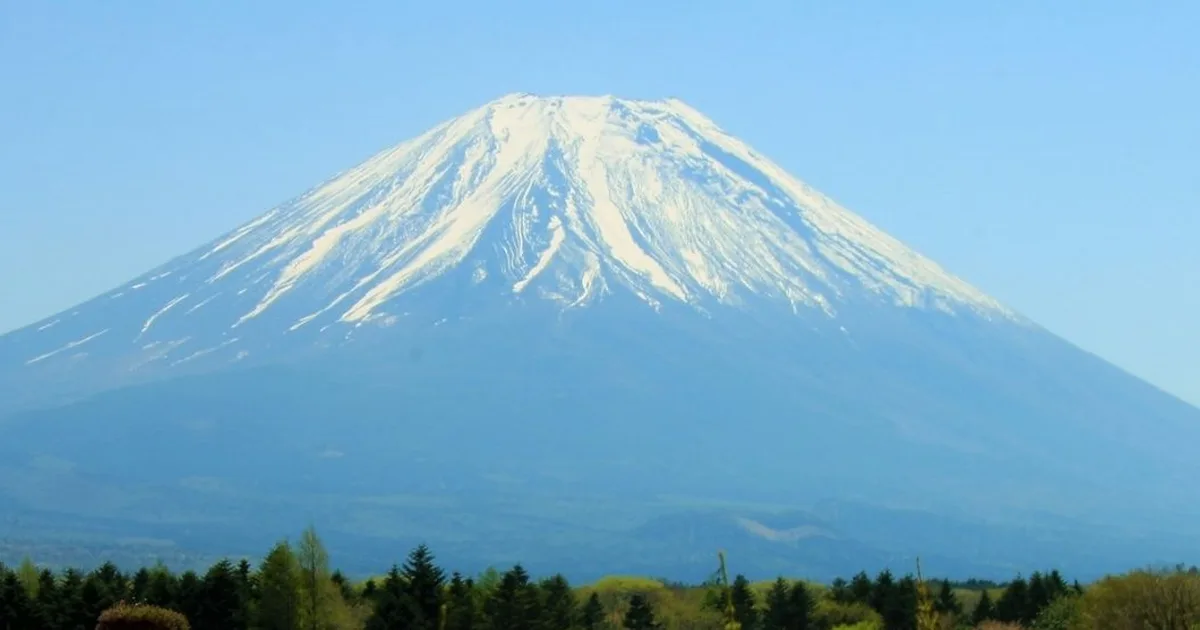
In winter you can sometimes reach one of Mount Fuji’s four 5th Stations, and it depends which one you mean. The Fuji Subaru Line 5th Station on the Yamanashi side can be open on some days in December, January or February when the road allows. The roads to the Fujinomiya, Subashiri and Gotemba 5th Stations on the Shizuoka side shut for the winter in November 2026. None of this lets you climb to the summit: the official trails are closed outside the summer season.
Check Availability
If you are planning a Mount Fuji private tour from Tokyo in winter, do not make the 5th Station the one stop you cannot give up. Choose a tour with a flexible route and lower-altitude alternatives such as Lake Kawaguchiko, Oshino Hakkai, Chureito Pagoda and Lake Yamanaka. These usually give you a more comfortable and more reliable sightseeing day, though snow and ice can affect access anywhere. For what is at the Yoshida 5th Station the rest of the year, see our Fuji Subaru Line 5th Station guide.
2026–2027 update (checked 17 November 2026): Shizuoka Prefecture closed the Fujinomiya road at 9:20 a.m. on 10 November 2026 and the Subashiri road (Fuji Azami Line) at 2 p.m. the same day. The Gotemba road’s winter closure starts at 2 p.m. on 17 November 2026. The Fuji Subaru Line has its own day-to-day restrictions, so do not assume it is fully open because another road is. Check the official road operator shortly before you leave.
Which Mount Fuji 5th Stations you can reach in winter
| 5th Station | Side of Mount Fuji | Winter 2026–27 road situation | Should winter visitors plan on reaching it? |
|---|---|---|---|
| Fuji Subaru Line 5th Station | North / Yamanashi | The road can run in winter, but snow, ice, weather or road-management decisions can limit access to a lower point or close it | Only as a possible bonus, never a guaranteed stop |
| Fujinomiya 5th Station | South / Shizuoka | Road from the 2nd to the 5th Station closed at 9:20 a.m., 10 November 2026 | No, for normal December–February sightseeing |
| Subashiri 5th Station | East / Shizuoka | Fuji Azami Line closed at 2 p.m., 10 November 2026 | No, for normal December–February sightseeing |
| Gotemba New 5th Station | Southeast / Shizuoka | Access road closes at 2 p.m., 17 November 2026 | No, for normal December–February sightseeing |
The Shizuoka times are the officially announced start of each winter closure; snow or hazards can close a road earlier. Spring reopening depends on the weather. Check the Subaru Line separately.
Official source: Shizuoka Prefecture: Mount Fuji climbing-road and access information (updated 17 November 2026).
First, understand what “the 5th Station” actually means
Many Tokyo day-tour listings say “Mount Fuji 5th Station” as if there were only one. The mountain has four main climbing routes, each with its own high access point:
- Yoshida / Fuji Subaru Line 5th Station, on the north side, is the one most sightseeing tours from Tokyo mean.
- Fujinomiya 5th Station, on the south side, is reached by the Fuji Skyline mountain road.
- Subashiri 5th Station, on the eastern slope, is reached by the Fuji Azami Line.
- Gotemba New 5th Station, to the southeast, has its own road and starts lower than the other 5th Stations.
5th Station is a traditional stage on a climbing route. It does not mean every road reaches the same height, has the same facilities or follows the same winter pattern.
Keep the road and the trail apart: a road may be open to a certain point while the hiking trail beyond it stays closed. Driving to a viewpoint does not make a summit climb allowed or safe.
Can you visit the Fuji Subaru Line 5th Station in December?
Possibly, if the weather allows. The Fuji Subaru Line, a road on the Yamanashi side, does not follow the Shizuoka roads’ fixed winter closure. In good conditions cars can reach the 5th Station; otherwise the operator can stop traffic at a lower point, limit the hours or close the road.
December is a changeover month: you may find a clear, cold road or heavy snow and ice. The current road notice and the forecast tell you far more than the date.
If you are booking a December tour, ask:
- Does the tour include the Fuji Subaru Line 5th Station, or does it just say “Mount Fuji area”?
- Is the stop dependent on the road being open?
- What replaces the 5th Station if the road is restricted?
- Can the driver change the plan after checking the weather and the road?
A tour that advertises a 5th Station stop may swap it for another sight for safety reasons. Read the operator’s description and cancellation terms before you pay.
For seasonal planning, see our Mount Fuji in December guide.
Can you visit the 5th Station in January?
Do not count on reaching the Fuji Subaru Line 5th Station in January. Cold and snow can close much of the road, although some days and some sections stay open.
Last winter is a useful example. Yamanashi Prefecture reported that the Subaru Line last ran to the 5th Station on 18 January 2026, after which snow limited it to lower car parks, and it planned to reopen the full road on 18 April 2026, weather permitting. Those dates are from the 2025–26 winter and are no forecast for January 2027.
Source: Yamanashi Prefecture: Fuji Subaru Line full-road operation announcement (15 April 2026).
For a January day trip, plan to see Mount Fuji from a distance, where the snowy cone rises above lakes, villages and traditional buildings. You will often come home with better photographs than from a high station, where the mountain fills your immediate surroundings and you cannot see its shape.
See Mount Fuji in January for ideas for that month.
Can you visit the 5th Station in February?
Only if the road to the Subaru Line 5th Station is officially open that day. In deep winter, treat the full drive up as an uncertain possibility and no standard sightseeing stop.
A good February plan focuses on views from Lake Kawaguchiko, Chureito Pagoda and Lake Yamanaka. February is also a strong month for winter photography and seasonal events, depending on the weather, transport and event dates.
If you have only one day near Mount Fuji, do not spend it waiting for the 5th Station road to reopen. A flexible lower-altitude tour is the safer booking.
Is Mount Fuji climbing open in winter?
No. The official summit trails are closed outside the summer climbing season. The 2026 season has ended, and the official Mount Fuji climbing website warns that winter climbing is extremely dangerous.
For the Yoshida Trail, Fujiyoshida City gives the off-season as 11 September to 30 June and says casual hiking above the 5th Station is prohibited. Some lower historic approach paths have their own rules and may stay open, but they give no way round the summit closure. Our Mount Fuji climbing season rules set out the summer dates.
Snow, ice, violent wind, avalanche and rockfall, limited rescue and closed mountain huts make the upper mountain a different world from a winter sightseeing trip.
Keep these activities apart:
| Activity | Usual winter position |
|---|---|
| Photograph snow-covered Fuji from a lake or village | Usually possible, depending on weather and site access |
| Visit the Fuji Subaru Line 5th Station by road | Sometimes possible, depending on the official road status |
| Drive to the Fujinomiya, Subashiri or Gotemba 5th Station after the closure | Not allowed on the closed sections |
| Walk the closed official trails towards the summit | Prohibited under the seasonal trail restrictions |
| Climb to Mount Fuji’s summit as a normal guided day trip | Not a winter sightseeing activity |
Official guidance: Mount Fuji climbing seasons and facility operations and Fujiyoshida City off-season rules.
Why winter access changes so quickly
The calendar alone does not set mountain road restrictions. Road authorities and operators look at:
- Snow depth: a cleared section can become impassable again after fresh snow.
- Ice and low temperatures: black ice forms even on roads that look clear.
- Wind and visibility: conditions high up can be much worse than around the lakes.
- Avalanche, falling snow and other hazards: access may stay restricted after a storm ends.
- Road maintenance: reopening needs inspection and clearing, not just a sunny forecast.
So a road can be open at the start of your holiday and closed on your tour day. A screenshot of last week’s road status is not enough.
How to check whether the road is open
Before you leave Tokyo, or before your tour sets off, check:
- Fuji Subaru Line / Yamanashi: the Yamanashi Prefectural Road Corporation for the latest Fuji Subaru Line notices and operating information.
- Shizuoka 5th Station roads: Shizuoka Prefecture road information for the Fujinomiya, Subashiri and Gotemba roads.
- Summit trail status: the official Mount Fuji climbing site for closures and climbing warnings.
- Your tour operator: confirm the actual route, the bad-weather plan and any vehicle restrictions.
Check again on the morning of travel. Overnight snow can overtake a notice published the evening before.
Is it worth visiting the 5th Station in winter even if the road opens?
That depends on what you want from the day. The Subaru Line 5th Station sits at about 2,300 metres, which appeals if you want to stand on Fuji’s slopes. Being on Mount Fuji, though, is not the best way to see its famous shape.
| What you want | Better choice |
|---|---|
| Stand high on the mountain and feel its exposed slopes | Subaru Line 5th Station, only if open |
| Photograph the whole snow-covered cone | Lake Kawaguchiko, Oshino Hakkai, Chureito Pagoda |
| See Mount Fuji reflected in water | Lake viewpoints on a calm day |
| A varied day with villages and sights | The Fuji Five Lakes area |
| A relaxed trip with children or older travellers | Lower viewpoints with indoor breaks |
| A useful day whatever the roads do | A flexible private sightseeing route |
Up high you also get stronger wind, colder air, fewer open facilities and less time you can comfortably spend outside. Even with the road open, the lower viewpoints may give you the photographs you came to Japan for.
Best alternatives when the Mount Fuji 5th Station is closed
1. Lake Kawaguchiko: best all-round substitute
Best for: first-time visitors, couples, photographers and mixed-age groups.
Lake Kawaguchiko is one of the easiest places to fill a winter day. From the right stretches of shore you see the mountain across the water, with good foregrounds and the classic Fuji outline. The lake also has cafés, museums, hotels and connections to other sights. Our Lake Kawaguchiko in winter guide covers the shoreline in detail.
Suggested visit: 60–120 minutes, depending on whether you walk, eat or visit a museum.
Why choose it over the 5th Station? You see Mount Fuji as a whole mountain instead of from its upper slopes, and there is more to do if the summit disappears into cloud.
2. Chureito Pagoda: best iconic winter photograph
Best for: photographers and anyone who wants the famous pagoda-and-Fuji picture.
The viewpoint above Arakurayama Sengen Park frames Mount Fuji with the red Chureito Pagoda. Winter light and the snow-capped mountain make it a striking setting, but you reach it up 398 steps, and ice can make them hard going after snow.
Suggested visit: 60–90 minutes including the climb and photographs; more when busy or slippery.
Practical point: visitors with limited mobility may prefer another viewpoint. Check that the path is safe before you start up. Our Chureito Pagoda in winter guide covers the steps, sunrise and parking.
3. Oshino Hakkai: best traditional village scenery
Best for: visitors who want Fuji views with a village setting.
Oshino Hakkai is known for its spring-fed ponds, traditional-style buildings and views of Mount Fuji in clear weather. It pairs easily with Lake Kawaguchiko on a private itinerary, although crowds and opening hours affect the visit.
Suggested visit: 45–75 minutes.
Why it works in winter: the village still has plenty to see when the mountain is partly cloudy. Watch for slippery stone paths around the ponds.
4. Lake Yamanaka: best for a quieter lakeside stop
Best for: landscape photography, a slower pace and open lake scenery.
Lake Yamanaka has wide views from parts of its shore. Depending on the date, your position and the weather, you may also catch Diamond Fuji, when the sun lines up with the summit from a particular viewpoint. This happens at specific places on specific dates, not across the whole lake.
Suggested visit: 30–90 minutes.
Practical point: the open shore can be very cold and windy; keep the stop short and follow it with a warm break.
5. Fujiyoshida’s streets and shrines: best for culture and photography
Best for: travellers who want a town-based alternative to another mountain road.
Some Fujiyoshida streets have dramatic views towards Fuji, and the town has shrines and cultural sites linked to the mountain. At popular street-photo spots, use the marked viewing areas and respect traffic, residents and private property.
Suggested visit: 45–90 minutes, depending on your stops.
6. An onsen with Mount Fuji views: best for a cold or changeable day
Best for: couples, travellers who want a slower day, and anyone who would rather stay warm than spend hours outside.
A hot-spring bath near the lakes is a comfortable alternative when the high roads are closed. A Fuji view is never guaranteed: it depends on the facility, which way the bath faces, the weather and whether the mountain is clear. Check opening hours, tattoo policies, private-bath availability and any entry rules before you go.
For more lower-altitude ideas, see our Mount Fuji in winter guide.
Two sensible winter itineraries if the 5th Station is closed
These schedules are planning examples only; the times are neither bookable departures nor guaranteed journey times. Driving times depend on where in Tokyo you start, traffic, weather and parking.
Itinerary A: classic winter Fuji views from Tokyo
| Approximate time | Activity | Why it works |
|---|---|---|
| 7:00 a.m. | Leave central Tokyo | An early start gives you more daylight |
| 9:00–10:15 a.m. | Chureito Pagoda / Arakurayama Sengen Park | Puts the classic panorama first |
| 10:45–11:45 a.m. | Oshino Hakkai | Ponds, village setting and a cultural stop |
| 12:15–1:15 p.m. | Lunch around Kawaguchiko | A warm break |
| 1:15–3:00 p.m. | Lake Kawaguchiko shoreline and viewpoints | Flexible time for photographs |
| Around 3:00 p.m. | Start back towards Tokyo | Leaves a generous margin for winter traffic |
Best for: first-time visitors, families happy to walk and anyone after the classic Fuji pictures.
Plan B: if the Chureito steps are icy or unsafe, swap the park for an easier lakeside viewpoint and spend longer in the village or around Kawaguchiko.
Itinerary B: relaxed Fuji sightseeing with minimal hill walking
| Approximate time | Activity | Why it works |
|---|---|---|
| 7:30 a.m. | Leave Tokyo | Avoids a rushed late-morning arrival |
| 10:00–11:15 a.m. | Lake Kawaguchiko viewpoints | Mountain views with little effort |
| 11:30 a.m.–12:30 p.m. | Café or early lunch | A warm rest |
| 12:45–1:45 p.m. | Oshino Hakkai, on a short route | Traditional setting and easy photography |
| 2:15–3:00 p.m. | Optional Lake Yamanaka or a local sight | Last stop, weather permitting |
| Around 3:00 p.m. | Return to Tokyo | Leaves a winter travel margin |
Best for: couples, older visitors and travellers who want fewer stairs. Check the accessibility of each place before you go.
If the road happens to be open all the way to the Subaru Line 5th Station, ask your driver whether to replace one lower stop with the mountain road. Do not add a distant extra stop without counting the driving time.
Our Mount Fuji day trip from Tokyo guide has more ways to plan the day.
Private tour vs group tour vs independent travel in winter
| Travel option | Winter advantage | Main limitation | Best for |
|---|---|---|---|
| Private car with driver | The route can usually change around closed roads and the weather | Higher total cost; flexibility varies by operator | Families, small groups, photography trips |
| Organised group tour | Simple logistics and usually a lower price per person | Fixed itinerary, little say over alternatives | Solo travellers, couples on a budget |
| Independent train or highway bus | Good for a focused day around one town or lake | Connections, cancellations and local transport need planning | Travellers happy to go slowly |
| Self-drive rental car | Freedom to stop where it is safe and legal | Winter driving skills, equipment, insurance and restrictions | Experienced winter drivers only |
Our private tour vs group day trip comparison sets out the costs in full.
What to ask before booking a Mount Fuji winter private tour
Tour titles can mislead. A tour labelled “5th Station” may treat it as an optional stop, or swap in another sight in bad weather. Before booking, read the small print for:
- Whether the Fuji Subaru Line 5th Station is a promised stop or a weather-dependent possibility.
- What the operator does if the road closes before or during your tour.
- Which alternative viewpoints are offered and whether swaps cost extra.
- Whether the vehicle and driver are equipped for legal winter driving, including winter tyres or chains when required.
- The total length of the day, the Tokyo pickup area and whether drop-off is included.
- Whether admission, parking, tolls and lunch are covered.
- The cancellation and refund policy if the weather rules out the plan.
A good winter tour does not promise to drive through every restriction. It gives you a rewarding day without taking unnecessary risks.
Booking tip: compare a sightseeing-focused private tour with one built around a fixed 5th Station stop before you choose. From December to February, paying for flexible time around the lakes usually serves you better than paying for road access that may not exist on the day.
Our pick on GetYourGuide is the From Tokyo: Mount Fuji Private Tour With English Guide (from $319 per group, rated 4.9/5 from more than 950 reviews). It collects you from your Tokyo hotel, and its route covers Chureito Pagoda, Lake Kawaguchiko and Oshino Hakkai, with the Subaru Line 5th Station only when the road is open; the listing itself warns that the road can shut for snow between December and March, and you agree the plan with your driver-guide on the morning.
Can you get to Mount Fuji 5th Station by bus in winter?
Do not assume the summer 5th Station buses run in winter. Routes, timetables and access change with the season and the road status, and the buses climbers use in summer are no guide to winter sightseeing transport.
In winter it is more dependable to travel from Tokyo to Kawaguchiko or another town at the foot of the mountain and explore the lower sights. You can go by direct highway bus where it runs, by train or by a pre-booked private car. Check the operator’s current timetable and winter notices; summer schedules that turn up in search results do not apply. Our Tokyo to Mount Fuji in winter: bus vs train vs tour compares the options.
If your day covers several scattered places, local connections can take much longer than expected. That is where a car with a guide earns its cost, especially with short winter days.
Can you drive to Mount Fuji 5th Station in winter?
Only where the road is legally open, passable for your vehicle and allowed under the current restrictions. A rental car does not exempt you from a winter closure.
The key rules are simple:
- Never drive round a gate or barrier. A closure is a legal restriction.
- Do not trust navigation alone. Map apps can route you onto seasonally closed roads.
- Check tyre and chain requirements. Rental companies and road authorities may require winter equipment.
- Expect conditions to change with altitude. A dry street in Kawaguchiko says nothing about the mountain road.
- Avoid improvising on unfamiliar icy roads. A local professional driver may be the better choice.
The three Shizuoka roads described above closed for the winter in November 2026. Check the Fuji Subaru Line separately, including how far up it is currently open.
What should you wear if you reach the 5th Station in winter?
Even with the road open, the 5th Station can be much colder and windier than Tokyo or the Fuji Five Lakes. Dress for exposed winter conditions and treat it as a short stop and leave the city clothes behind.
Bring:
- A thermal base layer, a warm mid-layer and an insulated jacket.
- A windproof outer layer and warm trousers.
- Waterproof footwear with good grip.
- Gloves, a hat and a scarf or neck warmer.
- Sunglasses and sun protection, especially around snow.
- Water, any medication you need and a charged phone.
Stay within the marked visitor areas, and never enter closed climbing routes. Follow the signs and the instructions of road and site staff.
What if Mount Fuji is hidden by clouds?
Road access and visibility are separate questions. The 5th Station can be open while the summit is invisible, and a sunny lakeshore can still have cloud over the mountain.
If the view matters most, try a panoramic spot early and stay flexible. When Fuji is hidden, your day can still include Oshino Hakkai, local museums, food, shopping, an onsen or the town. An overnight stay gives you more chances to see the mountain, but no length of stay guarantees a view.
Our Mount Fuji visibility guide covers timing and cloud in more detail, and our backup plan for a cloudy Fuji lists what to do instead.
Frequently asked questions
Is Mount Fuji 5th Station open in December 2026?
The Fuji Subaru Line 5th Station may be open on suitable days, but access depends on the weather and is not guaranteed. The three Shizuoka roads closed for the winter in November 2026. Check the specific road before you travel.
Can I go to Mount Fuji 5th Station in January 2027?
Possibly, by the Fuji Subaru Line if the road operator allows it, but do not plan the whole day around reaching the top of that road. Build it around Lake Kawaguchiko, Chureito Pagoda or Oshino Hakkai instead.
Is the Mount Fuji 5th Station open in February?
The Fuji Subaru Line can be partly open or closed in winter, and February access to the 5th Station is not guaranteed. The Fujinomiya, Subashiri and Gotemba roads are closed for the winter by then.
Which 5th Station do most Tokyo tours visit?
Most Tokyo sightseeing itineraries that mention the 5th Station mean the Fuji Subaru Line 5th Station on the Yamanashi side. Confirm the exact stop with the operator.
Does reaching the 5th Station mean I can climb Mount Fuji?
No. The official summit trails are closed outside the summer climbing season. An open road does not make a closed trail usable.
Are the Mount Fuji mountain roads closed all winter?
Not all of them follow the same rule. The Shizuoka roads close for a fixed winter season. The Yamanashi-side Fuji Subaru Line can run to an allowed point when conditions permit, sometimes only to a lower station.
Can I see snow at the 5th Station?
Snow is common up high in winter, but do not assume a given station is reachable or that it is safe for snow play. If you want a managed snow activity, go to an operating ski or snow-play area instead.
Is a winter private tour worth it if the 5th Station is closed?
Yes, especially if you want several viewpoints without managing local transport. Choose an operator that explains its substitutions clearly and does not promise a mountain drive whatever the weather.
Is the Fuji Subaru Line the same as the Mount Fuji climbing trail?
No. The Subaru Line is a road to a high visitor area. The Yoshida Trail is a separate mountain path with its own seasonal restrictions.
Can I visit the Mount Fuji 5th Station in winter with children?
Only when the road is open and the conditions suit your family. Wind and cold up high can make even a short stop uncomfortable. Sightseeing at lake level is usually more flexible for families.
What happens if my booked tour cannot reach the 5th Station?
That depends on the operator’s published terms. Many tours switch to another stop, but the swap and any refund vary. Read the conditions before booking.
Is Chureito Pagoda a good alternative to the 5th Station?
Yes, if you want to photograph Fuji’s full shape with a famous Japanese landmark. The climb involves 398 steps, though, and they can be slippery after snow or a hard frost.
What is the best month to visit Mount Fuji in winter?
December, January and February all give you impressive views of the snow-covered mountain. Choose by what matters to you: the end-of-year holidays, deep-winter scenery, events, daylight and the weather on your actual date. None guarantees a clear sky or 5th Station access.
Where should I go if the 5th Station road closes at the last minute?
A simple backup is Lake Kawaguchiko plus Oshino Hakkai, with Chureito Pagoda added when the stairs are safe. That gives you scenery and culture without depending on a high mountain road.
Final recommendation: plan for Mount Fuji views, not a guaranteed 5th Station visit
Ask yourself one planning question: what kind of Mount Fuji day will still be worthwhile if that road is closed?
From December 2026 to February 2027, assume the Fujinomiya, Subashiri and Gotemba roads stay shut for the winter. Treat the Fuji Subaru Line 5th Station as weather-dependent; it is no fixed sight. Check same-day notices, follow the climbing restrictions and choose a tour that states its alternatives clearly.
For most winter visitors from Tokyo, Lake Kawaguchiko, Oshino Hakkai and Chureito Pagoda make a more reliable day than trying to reach a snowy mountain road.
Continue planning:
- Mount Fuji in winter: December to February guide
- Mount Fuji in December
- Mount Fuji in January
- Chureito Pagoda in winter
- Fuji Subaru Line 5th Station: what is up there
Official sources and update notes
Last fact-checked: 17 November 2026. Road status and closure dates can change with the weather; check the current notices before you travel.
- Shizuoka Prefecture, Mount Fuji climbing-road access information, updated 17 November 2026: the November 2026 winter closures of the Fujinomiya, Subashiri and Gotemba roads. https://www.pref.shizuoka.jp/machizukuri/doro/fujisandoro/1029307.html
- Yamanashi Prefecture, Fuji Subaru Line full-road operation notice, 15 April 2026: the restrictions after 18 January 2026 and the spring reopening plan. https://www.pref.yamanashi.jp/release/douroseibi/0804/20260415.html
- Official Mount Fuji Climbing Site, Climbing season and facility operating periods: https://www.fujisan-climb.jp/en/season/
- Fujiyoshida City, Mount Fuji off-season access and restrictions, updated 16 September 2026: https://www.city.fujiyoshida.yamanashi.jp/site/english/15366.html
- Fujiyoshida City, Yoshida Trail access and general information 2026: https://www.city.fujiyoshida.yamanashi.jp/site/english/14100.html
- Fujinomiya City, Fuji Skyline winter closure information: https://www.city.fujinomiya.lg.jp/1025200000/p001649.html
Your Own Car, Your Own Day at Mount Fuji
Rated 4.9/5 by more than 900 travellers. Hotel pickup in Tokyo, an English-speaking driver-guide, and an itinerary you set yourself — with free cancellation up to 24 hours before.
Check Availability & Book