What to Do If Mount Fuji Is Hidden by Clouds
Mount Fuji hidden by clouds? A night-before and 5:00 check routine, a go, switch or postpone table, and rainy-day things to do around Kawaguchiko and Hakone in 2026–27.
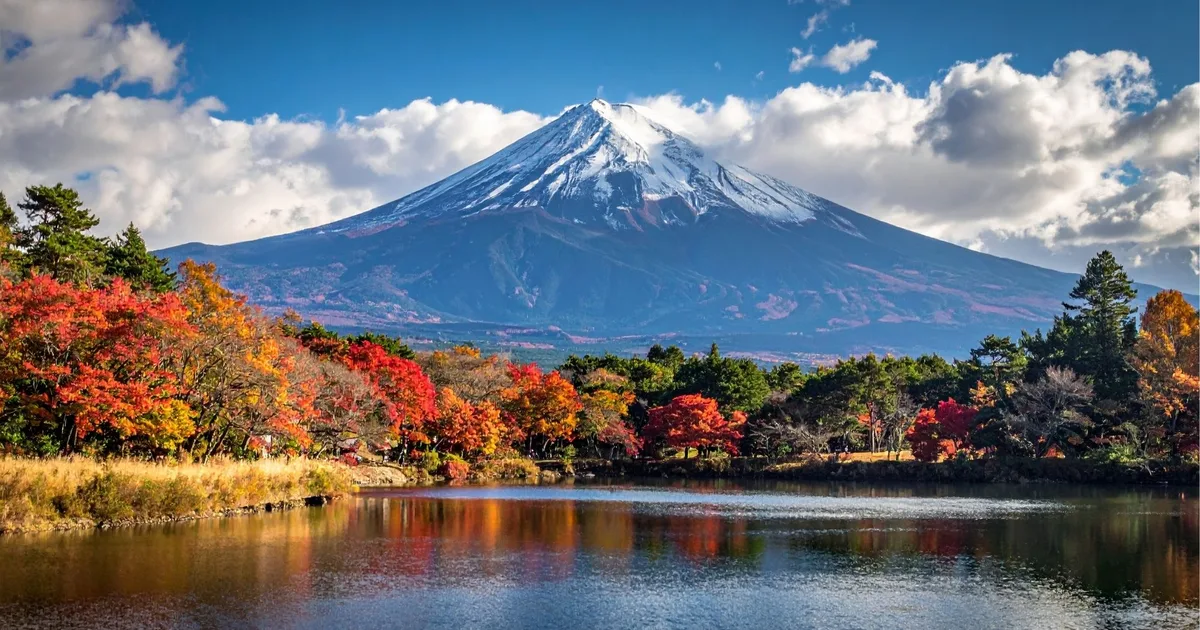
If Mount Fuji is hidden when you arrive, wait for the next morning before you give up: cloud at Fuji comes and goes fast, and November to February is the clearest stretch of the year. If you can’t wait, swap to an indoor plan. Kimono art, lava caves, an onsen soak, sake tasting and a hoto noodle lunch fill a cloudy day easily.
A private driver makes that swap on the spot. The Mount Fuji Private Tour With English Guide agrees its stops with you on the morning, so a grey summit can mean caves and Oshino Hakkai first and the lakeshore later, rated 4.9/5 from 900 reviews at $319 for a small group, with free cancellation up to 24 hours before.
Check Availability
Quick answer
- Odds are on your side in winter, but not guaranteed: across Fuji City’s 35 years of records (1991–2025), the whole mountain was visible at 8:00 on 53.9% of November mornings, 61.7% in December, 60.0% in January and 52.6% in February. Over the whole year the full-mountain rate falls to 22.5% by 16:00.
- Check at night and again at 5:00, then go, switch sides or postpone. The north side (Kawaguchiko) beats the south side (Hakone and Shizuoka) most days. An overnight stay gives you two sunrise chances.
- Day tours almost never refund for “no view”. Book tours and hotels with free cancellation, keep the rainy-day list below handy, and remember that clear winter days often show Fuji from Tokyo’s skyscrapers too.
This page is the plan for the day itself. For the full month-by-month and hour-by-hour odds, see our Mount Fuji visibility guide; for the wider season, start with Mount Fuji in November 2026.
How often is Mount Fuji hidden? The real numbers
Fuji City’s 35-year record (the gold standard)
Since May 1990, staff at Fuji City Hall on the Shizuoka (south) side have checked the mountain three times a day, at 8:00, noon and 16:00. Each check is logged as fully visible, partly visible or not visible. The latest report, Fuji City’s “Fujisan Kansoku no Kiroku – Reiwa 7 (2025) Report”, covers 1991 to 2025: 12,784 observations at 8:00 and at 16:00, and 12,783 at noon.
| Month | Whole mountain visible at 8:00 (35-yr avg) | Any part visible at 8:00 (35-yr avg) | isfujivisible north side, mornings scored “visible” | isfujivisible south side, mornings |
|---|---|---|---|---|
| November | 53.9% | 78.7% | 90% (Nov 2025) | 80% |
| December | 61.7% | 84.9% | 84% (Dec 2025) | 77% |
| January | 60.0% | 82.3% | 100% (Jan 2026) | 90% |
| February | 52.6% | 74.9% | 82% (Feb 2026) | 68% |
| Whole year | 36.6% | 58.9% | 63% (Aug 2025–Jul 2026) | 48% |
By time of day (all months, Fuji City 1991–2025):
| Time | Fully visible | Partly visible | Not visible |
|---|---|---|---|
| 8:00 | 36.6% | 22.3% | 41.1% |
| Noon | 23.3% | 30.1% | 46.6% |
| 16:00 | 22.5% | 27.2% | 50.3% |
How to read this: Fuji City is a single observation point on the cloudier south side, and it counts only the whole mountain. The isfujivisible.com figures come from its own forecast model, scored twice daily, and are not human observations. Its “visible” means a score of 8 or more out of 10, a looser bar, so its percentages run higher. Both sources agree: winter is the best season, mornings are best, and the north side wins. In 2025 alone, Fuji City logged the whole mountain on 136 days at 8:00 (37.3%, 14 fewer than in 2024), compared with 96 at noon and 91 at 16:00; on 62 days it was visible at all three checks, and on 77 days at none of them.
One winter nuance: on the north side, isfujivisible’s archive found almost no morning advantage in midwinter. November scored 90% in both mornings and afternoons, and December afternoons (87%) edged out mornings (84%). The south side keeps a clear morning edge even in winter, so if you’re based in Hakone, front-load your Fuji viewing.
Why clouds form around Fuji (and why mornings win)
- Orographic cloud: moist air hits the mountain, is pushed up the slope, cools and condenses. The Japan Meteorological Agency explains mountain cloud this way. As the sun warms the ground through the day, more air rises and cloud builds around the cone, which is why the 8:00 odds beat the afternoon odds.
- Kasagumo (cap clouds) and tsurushigumo (lenticular clouds): these smooth, UFO-shaped clouds sit on or float downwind of the summit when strong, moist winds blow over the peak. They look spectacular, but they often signal rain. The MLIT Chubu Regional Bureau’s Fuji Sabo Office, citing Mt. Fuji Weather Station records, says rain follows within 24 hours of a kasagumo about 70% of the time in spring, autumn and winter (about 75% in summer), rising to about 80–85% when kasagumo and tsurushigumo appear together. Enjoy the photo, then check the forecast.
- Sunny is not the same as visible: Fuji City’s 2025 report gives a 35-year annual average of 207 clear days against only 138 whole-mountain days at 8:00, and notes that even on a clear day Fuji is not necessarily visible, because the clear-sky rate and the visibility rate are not proportional.
- Why winter wins: in winter the Siberian High sends dry air down onto the Pacific side, so the air is clear and haze is low.
How fast does it change?
Very fast. Cloud can wrap the summit within an hour of a clear sunrise, and a grey morning can open up by lunchtime once a front passes. North and south can also differ on the same day: on 13 December 2025, isfujivisible logged a perfect 10/10 on the north side but only 3/10 on the south. Don’t write off a whole day based on one look out of the window.
How to check before you go: tools and a 5:00 routine
The toolkit
- isfujivisible.com: a 10-day Fuji visibility forecast scored 0–10, with separate north (Kawaguchiko) and south (Hakone) readings, plus a page of live cams. https://isfujivisible.com
- Weathernews “Fuji viewing index” (富士山眺望指数): forecasts how likely you are to see Fuji on a four-level scale. It’s in Japanese, but browser translation handles it. https://weathernews.jp/mountain/fuji_viewable/
- Japan Meteorological Agency (JMA): official forecasts and warnings for Yamanashi and Shizuoka, plus the satellite and rain radar (“nowcast”). https://www.jma.go.jp
- tenki.jp (Japan Weather Association): hourly forecasts for places such as Fujikawaguchiko and Fujinomiya. Look for low humidity and a “晴” (sunny) icon at dawn. https://tenki.jp
- Windy.com or a similar app: open the cloud-cover and low/mid-cloud layers to see whether the cloud is sitting on the mountain or passing through.
- Live cameras: isfujivisible’s live-cam page gathers Kawaguchiko streams, and Fuji Five Lakes hotels and local operators run YouTube live streams (search “Kawaguchiko live camera” or “富士山 ライブカメラ”). A live view always beats a forecast.
You’ll need mobile data at 5:00 to do any of this, so set up an eSIM or pocket Wi-Fi before you fly.
The step-by-step routine
The night before (around 20:00–21:00)
- Check the isfujivisible score for tomorrow morning on both sides, and the Weathernews index.
- Look at the JMA radar and satellite: is a front or a band of rain moving in overnight?
- Make a provisional call (see the decision table below) and set your alarm.
At 5:00–6:00 (or before your bus or tour leaves)
- Open two or three live cams. Can you see the snowline, or just grey?
- Re-check the hourly forecast. Rising humidity and rain by 9:00 mean you should go now or not at all.
- Check that transport and tours are running, especially after snow.
- Decide: go, switch sides or postpone.
Decision table: if X, then do Y
| If… | Then… |
|---|---|
| North score 8–10 and cams show the snowline | Go now. Head straight to the lakeshore, Oishi Park or Chureito Pagoda before about 10:00. |
| North looks good, south (Hakone) is clouded | Switch to Kawaguchiko, or postpone a Hakone day and swap your itinerary. |
| South looks good, north is cloudy (less common) | Swap to Hakone, Gotemba or Fujinomiya for the day. |
| Both sides score 4–7 (patchy) | Go but flex: start with indoor sights and keep a cam open for gaps. Ride the Panoramic Ropeway only if the summit shows. |
| Both sides 0–3, rain all day | Postpone if you can. If you can’t, run the rainy-day itinerary below. |
| Typhoon, heavy snow or a JMA warning | Postpone. Tours may cancel; check your operator’s email the day before. |
| Fuji-hidden day, but Tokyo’s forecast is crisp and dry tomorrow | Stay in Tokyo and catch Fuji from an observation deck at sunrise or sunset. |
Smart strategies to beat the clouds
Book flexible
Most bookable Fuji day tours offer free cancellation up to 24 hours before departure, and that is your main safety valve: use it after the night-before check. After that cut-off, refunds usually disappear. Tour pages are blunt about this. One large Fuji and Hakone bus-tour listing says that because Mount Fuji may not be visible in bad weather, “we will not cancel the tour or make any refund,” and Sunrise Tours (JTB) says the tour “will not be canceled and refunds will not be given for this reason.” Small private tours sometimes have more give. Some listings say that if a tour is “canceled due to poor weather, you’ll be offered a different date or a full refund,” but that applies when the operator cancels, not because the view is poor. For tour comparisons, see the best Mount Fuji day tours from Tokyo for November and winter.
Our pick on GetYourGuide for a flexible day: the Mount Fuji Private Tour With English Guide ($319 for a small group, 4.9/5 from 900 reviews, free cancellation up to 24 hours before), because the route is set on the morning and can follow the clear side. If you are on a budget, the Mt Fuji, Chureito Pagoda, Lake Kawaguchi and Oshino Hakkai tour costs $49 per person (4.8/5 from 5,965 reviews), but it runs its fixed route whatever the cloud does.
Stay overnight for two sunrise chances
One night at the lakes doubles your morning chances and puts you on the shore before the day-trippers arrive. Pick a hotel with free cancellation, and a lake-facing room if you can. Our picks are in where to stay at Lake Kawaguchiko for Mount Fuji views.
Switch sides
The north side (Fuji Five Lakes) matched or beat the south in every month of isfujivisible’s 2025–26 data, because it sits in drier air away from the Pacific. Keep Hakone, Gotemba or Fujinomiya as a swap, not your only plan. See Kawaguchiko vs Hakone in November and Tokyo to Mount Fuji: bus vs train vs tour in winter.
Go up (sometimes above the clouds)
- Mt. Fuji Panoramic Ropeway (Kachi Kachi): a 3-minute ride to a lookout at 1,075 m. From 1 November 2026 the adult round trip costs ¥1,200 (children ¥600). It runs year-round apart from the annual maintenance closure, 7–18 December 2026, but can stop in high winds. On low-cloud days it can lift you above the haze over the lake, but not above cloud on Fuji itself.
- Fuji Subaru Line 5th Station (2,305 m): on some days the 5th Station sits above a sea of cloud, which makes a striking view. In winter, though, access is the issue. The toll gate opens at 9:00 and closes earlier in winter (around 16:00 in midwinter), so check the road information on the day. The regular-car toll is ¥2,800 return, cash only. Last winter the 5th Station was last reachable on 18 January 2026. After that the road opened only to the 1st Station lower car park or the 4th Station Osawa car park, until the full road reopened on 18 April 2026. Fujikyu buses from Kawaguchiko Station (five uphill departures on the timetable from 1 October 2026; ¥3,400 adult return) don’t run when the road only opens to the 1st Station. Our Fuji Subaru Line 5th Station guide covers the road season, and climbing questions are in can you climb Mount Fuji in November or winter.
Timing tips
- Be at your viewpoint by 7:00–9:00. Treat anything after lunch as a bonus.
- Sunsets in late November and December come early (about 16:30), and many attractions close at 16:00–16:30 in winter.
- After a front passes, the next morning is often razor-sharp. A rainy day today can mean a clear day tomorrow.
- Pack for waiting in the cold at dawn: see what to wear at Mount Fuji in November and winter.
Rainy-day and cloudy-day things to do around Fuji Five Lakes
Prices are adult rates seen in 2025–26 sources. Winter hours change often, so re-check before you go.
| Name | Area | Price (adult) | Winter hours / closures | Time needed | Good for |
|---|---|---|---|---|---|
| Itchiku Kubota Art Museum | Kawaguchiko north shore | ¥1,500 | Dec–Mar 10:00–16:30 (last entry 16:00); many weekdays closed in winter, so use the official calendar | 1–1.5 h | Art lovers, couples |
| Kawaguchiko Music Forest Museum | North shore | ¥1,800 weekday / ¥2,100 weekend | 10:00–17:30 (last entry 17:00); closed Tue and Wed in principle (extra closures in winter) | 2–3 h | Families, music-box fans |
| Fujisan World Heritage Center | Funatsu (near Kawaguchiko Stn) | North Hall free | Dec–Feb 9:00 to about 16:00–16:30; South Hall closed 4th Tue | 1 h | Everyone, history |
| Fujisan Museum + Togawa Residence | Fujiyoshida | ¥400 | 9:30–17:00, closed Tue | 1 h | Culture, pilgrim history |
| Fujiyama Museum | Next to Fuji-Q | ¥1,000 | 10:00–17:30; seasonal closures | 45 min | Fuji in art |
| Fuji-Q Highland | Fujiyoshida | Free entry; One Day Pass ¥6,000–7,900 | Rides close for rain and wind | Half to full day | Teens, thrill-seekers |
| Fugaku Wind Cave and Narusawa Ice Cave | Aokigahara | ¥350 each | 16 Nov–15 Feb 9:00–16:30; 16–28 Feb 9:00–16:00; short maintenance closure in December | 1–1.5 h both | Nature, kids |
| Oshino Hakkai | Oshino village | Free (some ponds/shops paid) | Daylight | 1 h | Photos even under cloud |
| Fuji Chobo no Yu Yurari | Narusawa | ¥1,400 weekday / ¥1,700 weekend | Weekdays 10:00–21:00, weekends 10:00–22:00; no tattoos | 2–3 h | Onsen, cold days |
| Benifuji no Yu | Yamanakako | ¥900 | 11:00–19:00 (weekends to 20:00), closed Tue; from 6:00 on winter weekends; no tattoos | 1–2 h | Dawn soak with view |
| Kaiun no Yu (Royal Hotel Kawaguchiko) | Kawaguchiko | about ¥1,000 | Varies; call | 1 h | Tattoo-friendly option |
| Ide Sake Brewery | Funatsu, 7 min walk from station | ¥2,200 tour + tasting | Tours 9:30 and 15:00; book by 16:00 the day before | 1 h | Sake fans |
| Hoto noodle lunch | Everywhere | about ¥1,200–1,800 | Lunch and dinner | 1 h | Warming up |
| Strawberry picking | Fujinomiya / Yamanashi | about ¥2,200–2,500 | Dec/Jan to May; reservations | 1 h | Families, foodies |
| Gotemba Premium Outlets | Gotemba | Free | Dec–Feb 10:00–19:00; one closing day in Feb | 3–5 h | Shopping in the rain |
The highlights in a little more detail
- Itchiku Kubota Art Museum. Kubota’s tie-dyed kimono form a panorama of Fuji and the seasons, so you see Fuji even when the real one is hiding. The current “Autumn at Oirase” display from his Symphony of Light series runs until about mid-December 2026. In winter the museum keeps a reduced opening calendar, so check itchiku-museum.com.
- Kawaguchiko Music Forest Museum: open, not closed. Rumours say it shut down, but it is operating in 2026. It is closed on Tuesdays and Wednesdays in principle, and japan-guide notes many Thursday closures in winter too. The century-old Mortier dance organ and the live shows make it one of the best rain plans at the lake. A Titanic-themed special exhibition runs until 31 December 2026.
- Fujisan World Heritage Center. The free North Hall has nature exhibits and an information desk. The South Hall’s “Fuji 360” light show tells the mountain’s cultural story. It’s an easy first stop from Kawaguchiko Station, and tours use it as their fallback when the 5th Station is closed.
- Lava caves. Both caves stay at about 0–3°C all year, so the weather outside barely matters. Wear grippy shoes because the floors get icy in winter. Buy tickets at each cave’s entrance.
- Fuji-Q Highland. Entry is free, but the big coasters (around ¥2,000 per ride) are often suspended in rain or strong wind. Don’t buy a pass on a stormy day without checking the ride status on the park’s own site.
- Onsen and tattoos. Yurari and Benifuji no Yu both refuse tattooed bathers. Kaiun no Yu has been reported as tattoo-friendly; otherwise book a private bath (kashikiri) at your hotel.
- Fujiyoshida retro streets. Honcho-dori has Showa-era shopfronts, with Fuji framed at the end of the street on clear days. Kitaguchi Hongu Fuji Sengen Shrine, with its cedar-lined approach, is atmospheric in mist and free to visit.
- Sake and wine. Ide Sake Brewery has made sake for 21 generations, and its brewing season runs from November to early March, so winter visitors may see it in action. Booking is required.
- Strawberries. Greenhouse picking runs through winter. Red Pearl in Fujinomiya runs from December to May at ¥2,200–2,500, cash only, with online reservations.
- Not in winter: the Kawaguchiko Herb Festival is a summer lavender event, and the Fuji Motosuko Resort’s big Shibazakura Festival is a spring (April–May) event. Neither is a winter backup.
Cloud does not close Oshino Hakkai: the spring-fed ponds are just as clear under a grey sky.
If you’re based in Hakone
Hakone has the most rainy-day options in the region:
- Hakone Open-Air Museum: ¥2,000 (¥1,800 online), 9:00–17:00 daily. Its Picasso Pavilion is indoors, and there’s a free hot-spring footbath.
- Pola Museum of Art: ¥2,200, 9:00–17:00, usually open daily. Impressionists in a forest setting.
- Hakone Shrine: the torii by the lake is moody in mist and free to visit.
- Onsen: Hakone-Yumoto day spas are easy to reach. Ask about tattoo policies.
The Lake Ashi cruise and the Komagatake and Hakone ropeways can stop in strong winds, so check before you go. The Odakyu Hakone Freepass covers most of the loop if you travel independently; our Hakone day trip guide explains how it works. Our pick on GetYourGuide for a guided Hakone day: the Mt. Fuji, Hakone Ropeway, Owakudani and Lake Ashi coach tour (around $54, 4.6/5 from 8,491 reviews).
Tokyo fallback: when the Fuji trip is off
If a typhoon, heavy snow or a full-day washout cancels your trip, stay in Tokyo for museums, depachika food halls and an onsen-style sento. Keep an eye on the next crisp, dry morning. Fuji shows from Tokyo most often from December to February:
- Tokyo Metropolitan Government Building (Shinjuku): a 202 m observatory, free, with no reservation and west-facing windows toward Fuji.
- Shibuya Sky: an open-air rooftop at 229 m. Tickets are about ¥2,700 before 15:00 and ¥3,400 after, with timed entry; book on the operator’s own site. Go about an hour before sunset for a Fuji silhouette.
- Tokyo Skytree and Roppongi’s Tokyo City View also face Fuji on clear days.
Refund realities: tours, weather cancellations and insurance
- “Fuji was hidden” is not a refund reason. Big bus tours run rain or shine, with cancellations “only occurring in extreme weather conditions, such as typhoons.”
- Operator weather cancellations: if the operator cancels for a typhoon or snow, you usually get a refund or a new date. One operator announces its decision by 15:00 the day before.
- Itinerary swaps happen: if the Subaru Line is closed by snow, tours typically substitute the Fujisan World Heritage Center or a lower station. That change is not grounds for a refund.
- Single-ride tickets (such as Fuji-Q rides) and non-refundable online attraction tickets may be lost if weather closes the ride after you’ve bought them.
- Travel insurance: policies typically cover cancellation or delay caused by named events (severe weather that stops transport, a typhoon, or a carrier cancelling), not disappointment about a view. Read the “trip interruption” and “missed connection” wording, and keep cancellation emails as proof.
Printable cloudy-day backup itineraries (Kawaguchiko)
Half day (about 4–5 hours, from Kawaguchiko Station)
- 9:30 Ide Sake Brewery tour (booked by 16:00 the day before), a 7-minute walk.
- 11:00 Fujisan World Heritage Center (North Hall free), by bus or taxi.
- 12:30 Hoto lunch near the station.
- 14:00 Fuji Chobo no Yu Yurari, or Kaiun no Yu if you have tattoos. Keep a live cam open in case Fuji pops out.
Full day (about 8–9 hours)
- 7:00 Check the live cams one last time. If there’s a gap, dash to the lakeshore.
- 9:00 Fugaku Wind Cave and Narusawa Ice Cave by bus. Wear warm layers.
- 11:00 Kawaguchiko Music Forest Museum (not Tue/Wed), or Itchiku Kubota if it’s open that day.
- 13:00 Hoto lunch.
- 14:30 Oshino Hakkai, or Fujiyoshida’s Honcho-dori and the Kitaguchi Hongu Fuji Sengen Shrine.
- 16:30 Onsen soak, then an early night for tomorrow’s sunrise chance.
Decision flowchart (text version)
Frequently Asked Questions
What are the chances of seeing Mount Fuji in November?
Good. Over 35 years, Fuji City logged the whole mountain at 8:00 on 53.9% of November mornings and some part of it on 78.7%. isfujivisible scored 90% of north-side mornings as visible in November 2025.
What time of day is best to see Mount Fuji?
Early morning, ideally before 9:00. The full-view rate falls from 36.6% at 8:00 to 22.5% at 16:00 in Fuji City’s records. In midwinter, the north side often holds up into the afternoon.
Is it worth going to Kawaguchiko if it’s cloudy?
Yes, if you build in indoor sights and stay overnight. Cloud often breaks within hours, and the area has museums, caves, onsen and sake to fill the gaps.
Will my Mount Fuji day tour refund me if Fuji isn’t visible?
Almost certainly not. Tours run rain or shine. Use free cancellation (usually up to 24 hours before) after checking the forecast the night before.
Can I go to the Mount Fuji 5th Station in winter?
Sometimes, early in the season. In winter 2025–26 the 5th Station was reachable until 18 January, then the road opened only to lower car parks until 18 April. Buses don’t run when the road is limited to the 1st Station.
Which side of Mount Fuji has better visibility?
The north side (Kawaguchiko). In isfujivisible’s 2025–26 data it scored visible on 63% of mornings against 48% for the south.
Is the Kawaguchiko Music Forest Museum closed?
No, it’s open in 2026. It’s closed on Tuesdays and Wednesdays in principle, with extra closures in winter, so check the monthly calendar on kawaguchikomusicforest.jp.
Can I see Mount Fuji from Tokyo?
Yes, on clear, dry days, most often from December to February. Try the free Tokyo Metropolitan Government Building observatory or Shibuya Sky.
Series wrap-up: your Mount Fuji in winter reading path
Here’s the order we’d read our cold-season guides in while planning:
- Mount Fuji in November 2026: decide if and when.
- Fujikawaguchiko Autumn Leaves Festival 2026: time your trip with the foliage.
- Kawaguchiko vs Hakone in November: pick your base.
- Tokyo to Mount Fuji: bus vs train vs tour in winter: choose how to get there.
- Best Mount Fuji day tours from Tokyo for November and winter: compare tours.
- Where to stay at Lake Kawaguchiko: book the overnight.
- What to wear at Mount Fuji in November and winter: pack.
- Can you climb Mount Fuji in November or winter?: set expectations.
- Best Mount Fuji photo spots in autumn and winter: plan your shots.
- This guide: your backup plan if the clouds win.
May your alarm go off to a perfect snow-capped 10/10.
Facts to re-check close to your travel date
- Itchiku Kubota Art Museum winter opening calendar (December 2026 to February 2027) and current admission.
- Music Forest Museum monthly closed days and weekday/weekend prices.
- Fujisan World Heritage Center winter closing time (the official site lists both 16:00 and 16:30) and the South Hall fee.
- Fuji Subaru Line status, winter gate hours, the ¥2,800 cash toll and the Fujikyu 5th Station bus timetable.
- Lava cave December maintenance dates.
- Onsen prices, hours and tattoo policies (Yurari, Benifuji no Yu, Kaiun no Yu), plus any maintenance days.
- Ide Sake Brewery tour calendar and fee.
- Gotemba Premium Outlets’ 2027 closing day (reported as 25 February 2027; older guides say the third Thursday of February).
- Fuji-Q One Day Pass price for your date and ride weather closures.
- Shibuya Sky time-slot pricing; Panoramic Ropeway fare and wind stoppages.
- Your tour’s cancellation cut-off and weather policy, and your insurance policy’s weather wording.
Your Own Car, Your Own Day at Mount Fuji
Rated 4.9/5 by 675 travellers. Hotel pickup in Tokyo, an English-speaking driver-guide, and an itinerary you set yourself — with free cancellation up to 24 hours before.
Check Availability & Book