Mount Fuji in Winter 2026–2027
Plan a Mount Fuji winter trip from Tokyo: December, January and February compared for weather, snow and clear views, plus viewpoints, events, itineraries and tours.
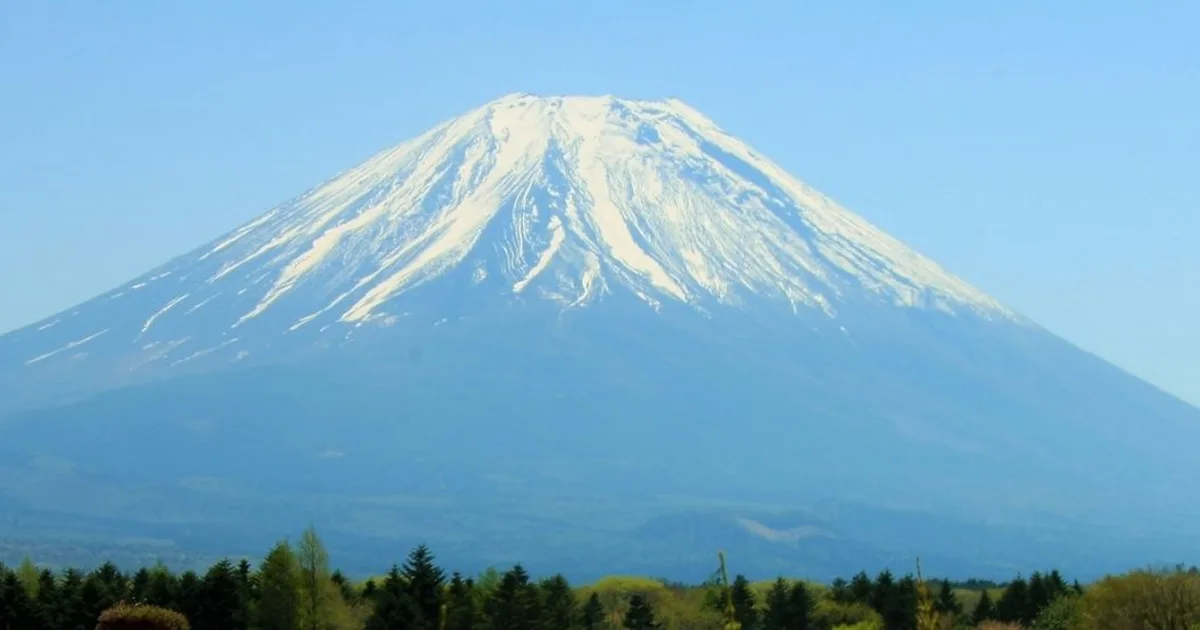
Winter is one of the best seasons to see Mount Fuji, and you can’t climb it. From December to February the cold, dry air often gives you a sharp view of the snow-capped peak, so plan a sightseeing day at Lake Kawaguchi, the Chureito Pagoda, Oshino Hakkai or Lake Yamanaka. All four work as a long day trip from Tokyo; one night at the lake gives you a second morning if cloud hides the mountain on the first.
Check Availability
Mount Fuji in winter: at a glance
| Question | Short answer |
|---|---|
| Is winter a good time to visit? | Yes, for views, photography, the lakes and onsen. |
| Best month for clear views? | December and January lead Fuji City’s long-term 8:00 record; neither guarantees a view. |
| Can you climb the summit? | No. The official trails are closed from 11 September until the next July. |
| Will Mount Fuji have snow? | The upper mountain normally has a snow cap; how much changes from week to week. |
| Will Lake Kawaguchi be snowy? | Not necessarily. Snow on the summit does not mean snow on the shore. |
| Is a Tokyo day trip realistic? | Yes, as a long day with spare time for winter traffic and delays. |
| Best viewpoints | Lake Kawaguchi, the Chureito Pagoda, Oshino Hakkai and Lake Yamanaka. |
| Best for a relaxed trip | One night near Lake Kawaguchi, with a free morning for the view. |
| Best for winter events | February: Diamond Fuji Weeks at Lake Yamanaka run from 1 to 22 February. |
Pick the clearest morning your itinerary allows, leave Tokyo early and put your favourite viewpoint first. A private tour helps if you want several stops without juggling buses; for one or two places by train and bus, you don’t need one.
December vs January vs February: which month should you choose?
No winter month is best for everyone. Choose by what matters most to you: the odds of a clear view, Christmas and New Year travel, snow, or the February events.
| Factor | December 2026 | January 2027 | February 2027 |
|---|---|---|---|
| Lake Kawaguchi average high / low | 8.5 °C / −2.9 °C | 5.5 °C / −5.7 °C | 6.6 °C / −4.8 °C |
| How it feels | Cold, especially at sunrise | The coldest of the three | Very cold mornings, slightly longer days |
| Snow on Fuji | Usually well established | Usually prominent | Usually prominent |
| Snow at lake level | Possible, not guaranteed | Possible, not guaranteed | Possible, not guaranteed |
| Whole mountain visible at 8:00 (Fuji City) | 61.7% | 60.0% | 52.6% |
| Seasonal draw | Clear views, year-end holidays | Crisp photographs, New Year atmosphere | Diamond Fuji, the ice candle festival |
| Main practical concern | Holiday schedules and short days | Freezing starts, New Year demand | Snow and ice on roads, event-day crowds |
Temperatures are the Japan Meteorological Agency’s 1991–2020 averages for Kawaguchiko, at about 860 m. The visibility row is the share of 8:00 checks in Fuji City, on the south side of the mountain, when the whole mountain was visible, averaged over 1991–2025. Treat it as a guide to the month. It can’t forecast your viewpoint.
- Choose December if a clear view and a simple first-time trip matter most. Our Mount Fuji in December guide covers the road closures, the Christmas and New Year schedule and which week to pick.
- Choose January if you want the coldest, sharpest winter landscape and can face frost at dawn. Our guide to Mount Fuji in January 2027 covers the month in detail.
- Choose February if you want the classic view plus a chance of Diamond Fuji and the Lake Yamanaka festivals. A February guide follows.
A gap of a few points in a 35-year average is a poor reason to reshuffle a Japan itinerary. On your trip, the forecast for your dates, an early start and your transport matter more than the month.
Is Mount Fuji visible in winter?
Often, but never on demand. Winter air is dry, and long views are sharper than in any other season. Cloud still forms around a freestanding 3,776 m volcano, weather fronts still pass through, and a blue sky over central Tokyo tells you little about the sky at the lakes.
Fuji City’s record shows the whole mountain or part of it at 8:00 on 84.9% of December mornings, 82.3% in January and 74.9% in February. The observer stands on the south side, and the northern lakes can differ. A partial view, with the summit above a band of cloud, can still make a good day. Our Mount Fuji visibility guide has the full month-by-month record and explains how full and partial views are counted, and the best time to visit guide sets winter against the rest of the year.
What time of day is best?
Early morning. In the same Fuji City record, the whole mountain is visible at 8:00 more often than at noon or 16:00 across the year; our guide to the best time of day to see Mount Fuji in winter adds sunrise and sunset times by viewpoint. On a Tokyo day trip, see the view first and leave lunch, museums and an onsen for later.
On the day:
- Check a live Mount Fuji webcam on the Fuji Five Lakes side as well as the Tokyo forecast.
- Read the hourly cloud forecast for Kawaguchiko and your viewpoints.
- With a driver and some flexibility, compare the north and south sides.
- Keep a cloud-day stop in reserve, such as Oshino Hakkai, a museum or an onsen. Our guide to what to do when Fuji is hidden by clouds lists more.
Does Mount Fuji have snow in winter?
The snow cap is normally part of the winter view, and it is fullest in January and February. How far down it reaches changes with each snowfall, the wind and warm spells, so two photos taken weeks apart can look very different.
Two separate questions:
- Will the summit be snowy? Usually, in midwinter.
- Will there be snow where you walk, at Lake Kawaguchi or the Chureito Pagoda? Maybe. The lakes sit nearly 3,000 m below the summit, and snow in the streets is patchy, short-lived or absent.
If you want to play in the snow, book something built for it, such as a ski or snow-play park, and check its opening dates, snow report, rental gear and age limits. Our page on does it snow at Mount Fuji explains the three kinds of winter snow and where to play in it. A standard sightseeing tour won’t stop on snowy ground for you.
Are the lakes frozen in winter?
Don’t plan to walk on a frozen lake. Surface ice changes by the day, and ice you can see is no proof that it will hold you. Look at frozen edges and snowy shores from public paths and permitted areas only.
Can you climb Mount Fuji in December, January or February?
No. The official climbing season ends on 10 September, and the trails stay closed all winter. Winter Fuji is dangerous: the upper slopes are ice, the wind is severe, the weather turns fast, and the huts and first-aid stations are shut. Our guide to climbing Mount Fuji in November or winter covers the rules and the low hikes you can do instead.
A winter sightseeing trip is a different product from a summit climb. A driver taking you to a lake or a viewpoint does not take you up the mountain.
Can you visit Mount Fuji 5th Station in winter?
Only some of the time, so don’t build a winter day around it. The Fuji Subaru Line on the Yamanashi side is the only 5th Station road that stays open into winter, snow permitting, and from December to February its toll gate opens from 9:00 to 16:00. Last winter the road reached the 5th Station until 18 January 2026, then not again until 18 April. From late January the road usually stops at a lower car park, so expect no 5th Station visit in February or March. The three Shizuoka-side roads close in November: in 2026 the Fujinomiya road closed at 9:20 and the Subashiri road at 14:00 on 10 November, and the Gotemba road is set to close at 14:00 on 17 November.
Before you book a tour that lists the 5th Station, ask:
- Is the 5th Station guaranteed, or included only when the road is open?
- Which viewpoint replaces it if the road is closed?
- Does the day still include good stops around the lakes?
A lake-based winter tour is the more reliable buy. Check the Subaru Line status on the morning you travel; our Fuji Subaru Line 5th Station guide explains how the winter closure works and where to check it, and our Mount Fuji 5th Station in winter guide shows which of the four 5th Station roads are closed this winter.
Best places to see Mount Fuji in winter
1. Lake Kawaguchi: the classic first visit
Best for: first-time visitors, lakeside photos, cafés, onsen hotels and easy logistics.
Lake Kawaguchi has wide mountain views and a town with restaurants, hotels and buses. The north shore gives you the classic mountain-and-lake picture, and you can move along the shore as the cloud and light change. Our Lake Kawaguchiko guide covers each shore.
Winter tip: the lakeside feels much colder than a sunny city street. Leave time to warm up indoors, and don’t try to cover every photo spot on the lake in one morning. The Mt. Fuji Panoramic Ropeway closes for its annual inspection for part of December, so check its notice if you plan to ride it.
2. Chureito Pagoda: the five-storey pagoda view
Best for: the famous picture of pagoda, town and snow-capped Fuji.
The view is at its best in clear morning light. You climb 398 steps to reach it, and wet steps, frost or ice make them slippery; our Chureito Pagoda in winter guide covers sunrise visits and the climb in ice. It is a hard choice for anyone with limited mobility or pushing a pram. Our Chureito Pagoda visitor guide covers the climb and the access rules.
Winter tip: if the steps are frosty or icy, skip the climb and take the photo from a level lakeside spot instead.
3. Oshino Hakkai: village scenery and clear ponds
Best for: a good stop even when Fuji is partly hidden.
Oshino Hakkai has spring-fed ponds, thatched buildings, food stalls and a village feel, and it sits between Lake Kawaguchi and Lake Yamanaka. You can see Fuji from parts of the village, but the ponds and lanes hold their own without it. Our Oshino Hakkai visitor guide has the details.
Winter tip: paths can be wet and crowded. Give yourself time to walk around instead of treating each pond as a quick photo stop.
4. Lake Yamanaka: big views and Diamond Fuji
Best for: open shorelines, winter light and late-afternoon photography.
Lake Yamanaka sits higher than Lake Kawaguchi and catches more of the cold wind. It is known for Diamond Fuji, when the setting sun sits on the summit as seen from a particular spot on the shore. The spot and the time shift with the date, so “sunset at Lake Yamanaka” is not enough of a plan.
Winter tip: Diamond Fuji needs the right viewpoint, a clear sky and a schedule that runs into the late afternoon. A Tokyo day tour that heads back early won’t catch it.
5. Fujiyoshida: street views and local life
Best for: town life, photos and food stops on a day that is less about the lakes.
Some streets in Fujiyoshida line up with Mount Fuji. Residents and shopkeepers live there: follow the signs, stay out of the traffic and off private property, and don’t block the road to copy a viral photo.
6. Lake Saiko and the quieter lakes
Best for: a slower pace and nature away from the famous landmarks.
Lake Saiko and the attractions around it suit a private-car day, especially when the main viewpoints are busy. Check the winter hours of any museum, cave or outdoor site before you add it.
How long to allow at each winter stop
| Place | Why go | Winter drawback | Time to allow |
|---|---|---|---|
| Chureito Pagoda | The pagoda-and-Fuji view | 398 steps, possible ice | 45–90 min |
| Oshino Hakkai | Clear ponds and a village | Outdoor paths, possible crowds | 45–75 min |
| Lake Kawaguchi | Reflections and plenty to do | Cold wind, changing visibility | 1–3 hours |
| Oishi Park | Wide views of Fuji over the lake | Exposed to the wind | 20–45 min |
| Lake Yamanaka | Big views and winter light | More driving; not essential on a first visit | 30–90 min |
| Fuji Subaru Line 5th Station | Height and the mountain up close | The road may be closed | Don’t count on it |
Two to four main stops fill a winter day, fewer if your pickup is in central Tokyo.
Five realistic Mount Fuji winter itineraries from Tokyo
A winter day trip works well if you want the snow-capped mountain, the lakes and a village, and to sleep in Tokyo that night. Put your most important viewpoint first, keep to two to four stops and leave room to drop one. These sample plans are not operator schedules. Driving times depend on where you start, traffic, snow and weather; check opening hours and road conditions for your date.
Itinerary A: Classic first-time winter day trip
Best for: first-time visitors, couples and families who want the famous views.
| Approximate time | Plan |
|---|---|
| 07:00 | Leave Tokyo by private car or an early train or bus |
| 09:00–09:45 | First Fuji viewpoint at Lake Kawaguchi, weather permitting |
| 10:15–11:30 | Chureito Pagoda if the steps are safe, or another level viewpoint |
| 12:00 | Lunch and a warm-up |
| 13:00–14:00 | Oshino Hakkai village and ponds |
| 14:30 | Optional second lake or café, if traffic and daylight allow |
| Late afternoon | Back to Tokyo, with plenty of spare time for motorway traffic |
By bus, all of these stops won’t fit comfortably. One lake plus one nearby attraction makes a better public-transport day than a rushed four-stop loop.
Itinerary B: Relaxed winter day with an onsen
Best for: couples, families and anyone who would rather skip the steps.
- Leave Tokyo early and go to a Fuji viewpoint while the view is clearest.
- Stop at Oshino Hakkai or a short lakeside walk.
- Have a long lunch.
- Spend the afternoon at a day-use onsen you have confirmed takes day visitors, then head back.
An onsen with a Fuji view is a lovely goal, but the view depends on the weather and not every onsen takes day visitors. Some have rules on tattoos, children, mixed bathing, reservations or private baths, so check before you go.
Itinerary C: One night at Lake Kawaguchi
Best for: photographers, couples and anyone who wants two chances at a clear sky.
Day 1: travel from Tokyo, see Oshino Hakkai and a stretch of the lake, then check in to a hotel or ryokan. Enjoy the onsen and a slow dinner instead of driving to distant sights after dark.
Day 2: go to a Fuji viewpoint early, take your photos if the mountain is out, have breakfast and one more stop, then head back to Tokyo.
A night at the lake doesn’t promise a clear sky. It gives you two mornings to watch the weather instead of one afternoon. Our guide to where to stay at Lake Kawaguchiko names Fuji-view hotels on each shore.
Itinerary D: Lake Kawaguchiko on your own by bus or train
Best for: solo travellers, budget travellers and anyone who prefers to see one area properly instead of several scattered landmarks.
Route: Shinjuku → Kawaguchiko Station → the lakefront and Oishi Park → Kawaguchiko Station → Shinjuku.
The direct highway bus from Shinjuku is the simplest way to reach the lakes without a car. Fujikyu gives the journey as about 1 hour 45 minutes in normal conditions, for ¥2,000 one way booked online or ¥2,200 at the counter. Snow and holiday traffic can make it longer, so check your service and fare when you book.
| Time | Plan |
|---|---|
| 6:45–8:00 | A pre-booked morning bus or train from Shinjuku |
| 8:45–10:30 | Arrive at Kawaguchiko Station and get to your first lakeside viewpoint |
| 10:30–12:00 | The lakefront and photos |
| 12:00–13:00 | Lunch and a warm-up |
| 13:00–15:00 | A second lake stop you can reach easily, or back to the station area |
| Mid-afternoon | Leave Kawaguchiko for Tokyo |
| Late afternoon or evening | Back in Shinjuku |
The times above allow for local buses and waiting. Don’t expect to reach Kawaguchiko to the minute, or to see every viewpoint around the lake in one day.
Bus, train or car?
- Highway bus: direct departures from Shinjuku and other Tokyo terminals. Road traffic and the weather are the risks, and return seats on busy days sell out, so book both ways.
- Train: the Fuji Excursion limited express runs through from Shinjuku on some services; other trains change at Otsuki. You miss some road traffic, but check the timetable and seats.
- Private car: best if you want Oshino Hakkai, the Chureito Pagoda and several lake viewpoints, or your hotel is awkward for an early bus.
Doing it yourself suits you if you want freedom within one area and are happy with local buses. For a group of four or five it isn’t always the cheapest: once you add several return tickets, local buses and a taxi or two, a private car can come close. Compare the total for your group, not the price per person. Our guide to the best Mount Fuji day tours from Tokyo for November and winter compares the tours.
Itinerary E: a photography-first private day
Best for: photographers, couples, repeat visitors and anyone who prefers long stops at a few viewpoints to a long list of landmarks.
Route: Tokyo → the Chureito Pagoda or another Fujiyoshida viewpoint → the north shore of Lake Kawaguchi → an optional second viewpoint → Tokyo.
Pick two or three strong photo spots instead of five stops. In winter your fingers get cold, batteries drain faster and you may need to wait for a cloud to move.
| Time | Plan |
|---|---|
| 6:00–6:30 | Leave Tokyo as early as your operator allows |
| 8:30–10:00 | First main viewpoint, while the mountain is clearest |
| 10:30–12:00 | Lake Kawaguchi’s shore or the Oishi Park area |
| 12:00–13:15 | Lunch, and a break to warm batteries and gear |
| 13:15–14:45 | A second lakeside view or a sheltered indoor stop |
| Around 15:00 | Head back to Tokyo |
Camera tips: bring a spare battery, a lens cloth, gloves you can work a camera in and a weatherproof bag. When you come in from the cold to a warm, humid room, leave the camera in its bag for a while so the lens doesn’t fog.
Sunrise: a sunrise photo of Mount Fuji usually means a night at the lakes, since a same-day start from central Tokyo arrives too late. Ask whether the operator offers a very early pickup, but don’t assume a standard 10-hour private tour includes sunrise.
Distances: the famous spots aren’t next to each other. The Chureito Pagoda is in Fujiyoshida, Oshino Hakkai is a separate village and the north shore of Lake Kawaguchi adds more driving. A private car cuts the transfers but not the time on the road, so a shorter list often gives better photos.
Which route suits each winter month
- December: the classic snow cap, without guaranteed snow at the lakes. The days are the shortest of the year, so finish the outdoor stops by mid-afternoon, and over Christmas and New Year book the trip back early. Route: Itinerary A, with an earlier return if the light or weather is poor. Our guide to Christmas and New Year at Mount Fuji covers the holiday week.
- January: the coldest month at the lakes, with very cold photo stops at dawn. Dress in proper layers, keep the route simple with children and plan a warm indoor stop after the first viewpoint. Route: the Chureito Pagoda early, then Lake Kawaguchi and a long lunch; add Oshino Hakkai only if the weather and time allow.
- February: still cold, with a little more daylight. If you want the winter fireworks or Diamond Fuji, stay the night, because the event times and the right viewpoint rarely fit a day tour’s return. Route: Lake Kawaguchi and one nearby viewpoint as a day trip, or Itinerary C around an evening event.
Private tour, group tour or independent travel?
| Option | Best for | Main advantage | Main limitation |
|---|---|---|---|
| Private car and driver | Families, small groups, photographers, short stays | You set the order, door-to-door, several stops | Costs more; still can’t beat a road closure or cloud |
| Group coach tour | Solo travellers, couples on a budget | Easy to book, set itinerary | Fixed schedule, no chasing a clear view |
| Train or bus on your own | One-night stays, one main area | Freedom and a lower cost | Changes, waiting in the cold, more planning when services are disrupted |
Our private tour vs group day trip guide sets out prices by group size.
When a private winter tour is worth the money
A private tour makes sense if you want Lake Kawaguchi, Oshino Hakkai and another viewpoint in one day, are travelling with small children, would rather not stand outside waiting for winter buses, or want to reroute around cloud and road closures. The From Tokyo: Mount Fuji Private Tour With English Guide (from $319 per group, 4.9/5 from 931 reviews) lets you agree the stops with your driver-guide on the morning.
If you only want a seat and a fixed route, the Tokyo: Mt Fuji & Oishi Park & Lake Kawaguchi & Oshino Hakkai coach tour (from $49 per person, 4.8/5 from 6,447 reviews) covers the Chureito Pagoda, Oishi Park and Oshino Hakkai. If you plan to take the train, enjoy the lake and stay the night, public transport may suit you best.
Before you pay, compare the total price for your group and check what it includes: tolls, parking, hotel pickup, the guide, entry fees, extra hours and cancellation terms. A tour sold as “Mount Fuji” may visit only the lakes and skip the 5th Station. Our Mount Fuji private tour cost guide breaks down the prices, and you can compare the private tours side by side.
What a Mount Fuji winter day trip costs
Prices change with the date, your group size, the exchange rate and the entry fees included. Use this to compare the options; it isn’t a live quote.
| Option | What you pay for | What to watch |
|---|---|---|
| Bus on your own | Return bus tickets, local transport, food and any entry fees | Several local stops add cost and time |
| Train on your own | Return train tickets, local transport, food and entry fees | Seat reservations and changes |
| Coach tour | A per-person price that covers transport and some stops | A fixed schedule with little room to change |
| Private car or tour | Usually one price for the car or group, plus possible extras | Tolls, parking, overtime, entry fees and whether a guide is included |
The Shinjuku–Kawaguchiko bus costs ¥2,000 one way booked online, so a return trip starts at about ¥4,000 per person before local buses, food and entry fees. For a private tour, compare the total for your group, the hours, the vehicle size and what’s included, because a low headline price may leave out tolls or overtime. Our guide to the Mount Fuji private tour with English guide explains the difference between an English-speaking driver and a licensed guide.
How to get to Mount Fuji from Tokyo in winter
Highway bus
Direct buses run from Shinjuku and other Tokyo terminals to Lake Kawaguchi. Book early for weekends and New Year, and expect snow or motorway traffic to slow them. Our Tokyo to Mount Fuji transport guide has the routes, fares and journey times, and bus vs train vs tour in winter covers what changes in the snow months.
Train
The train keeps you off the motorway for most of the trip. Most routes change at Otsuki for Kawaguchiko, and a few trains run through from Shinjuku. Check the current timetable and seat availability for your date.
Private vehicle
A car is the easiest way to link viewpoints that sit far apart. In winter, insist on a driver and a vehicle ready for snow and ice, and don’t expect every mountain road to be open. A private car can’t use a closed road.
Should you rent a car?
Only if you know Japan’s driving rules and have driven on winter roads. You may need winter tyres or chains, depending on the conditions and the road. If you have never driven on ice, take public transport or hire a driver.
What to wear around Mount Fuji in December–February
Lake Kawaguchi averages lows of −2.9 °C in December, −5.7 °C in January and −4.8 °C in February, and the wind at open viewpoints makes it feel colder.
Bring:
- A warm insulated coat with a windproof outer layer.
- Thermal base layers and a fleece or other warm mid-layer.
- A hat, gloves and a scarf or neck warmer.
- Warm socks and shoes with good grip; waterproof shoes help after snow.
- Sunglasses and sunscreen for the bright winter glare.
- A power bank: phone batteries drain faster in the cold.
- Water, snacks and any medication you need for a long day.
- A little cash for small purchases, and timetables saved on your phone in case plans change.
- For children, everything they need for a 10–12-hour day.
Dress for standing outside waiting, not just for the walk from a heated car to a viewpoint; the lakeside feels far colder once the wind picks up.
At the Chureito Pagoda and other hillside viewpoints, smooth-soled trainers can slip on icy steps. An open road to a viewpoint does not mean the path from the car park is clear. Our Mount Fuji winter packing list adds outfits by month and by activity.
Winter events near Mount Fuji in 2026–2027
Events give you a reason to stay the night, but only plan around dates the organiser has published.
Lake Kawaguchiko Winter Fireworks
The winter fireworks at Lake Kawaguchi ran on selected evenings from 24 January to 23 February 2026; our guide to Lake Kawaguchiko in winter covers the viewing spots and staying the night. The 2027 dates haven’t been announced yet, so don’t book a non-refundable hotel around them until they are. Getting back to Tokyo the same night after the fireworks is tiring and can miss the last bus or train, so a night at the lake is usually the easier plan.
Diamond Fuji Weeks at Lake Yamanaka
The Lake Yamanaka tourist association holds its Diamond Fuji Weeks from 1 to 22 February each year. You only see Diamond Fuji from the right spot on the shore, on a clear evening; the setting sun lines up with the summit from different points as the days pass. The association’s Diamond Fuji page shows where to stand for each date. Our guide to the best Mount Fuji photo spots in autumn and winter has the timing for other viewpoints.
Lake Yamanaka Ice Candle Festival — 13 February 2027
The Lake Yamanaka tourist association has set Saturday 13 February 2027 for its Ice Candle Festival, held with the Sky Lantern Festival the same day. Releasing a lantern is booked and paid for separately, and the programme can still change. It is a good reason to make a February trip two days instead of a daytime tour. Check the Ice Candle Festival and Sky Lantern Festival listings before you travel.
Is winter better than spring or summer for Mount Fuji?
That depends on why you are going.
| What you want | Season to consider |
|---|---|
| The best chance of a crisp, distant view | Winter, especially December and January |
| Snow-capped photos | Winter to early spring, depending on snowfall |
| Cherry blossom with Fuji | Spring; the dates change each year |
| A summit climb | The official season, early July to 10 September |
| Warm lakeside walks | Late spring to autumn |
| Autumn colour with a possible snow cap | November (see our Mount Fuji in November guide) |
| Winter festivals and Diamond Fuji | January and February |
If you have one day in Japan for Fuji, the clearest date on your itinerary beats any month. When you can, leave the Fuji day open until a short-range forecast is out.
When winter changes your plan on the day
Fuji is hidden behind cloud
Don’t spend the day chasing the mountain. Go to Oshino Hakkai, the lakes, a restaurant or an indoor stop, and give yourself a second look later if the sky clears. If photos are the whole point of the trip, book something with a cancellation policy you can live with.
The Chureito steps are icy
Don’t climb them. Use a level viewpoint at Lake Kawaguchi or in Fujiyoshida instead. A private tour can swap the stop, within the operator’s terms.
The Fuji Subaru Line is closed
Keep to the lakes; a winter day never needs the 5th Station. An open access road and the climbing season are separate things: the official trails are closed all winter even when the road is briefly open.
A snowstorm is forecast
Check the road, rail and bus notices. An operator may cancel or reroute for safety. Don’t drive unfamiliar mountain roads in snow with a hire car or tyres not made for it, and read the cancellation and rebooking terms before you book.
You have only eight hours
Choose one area. The round trip from Tokyo can take four to six hours or more once you add traffic, transfers and pickups, so Lake Kawaguchi with one or two lakeside stops beats racing between four distant sites.
Common mistakes to avoid
- Booking a winter summit climb. The official trails are closed.
- Expecting snow at the lakes because Fuji is white. The lakeshore and the summit sit nearly 3,000 m apart.
- Making the 5th Station the centrepiece. The Subaru Line can close overnight.
- Arriving in the afternoon for your only Fuji photo. Mornings give you better odds.
- Checking only the Tokyo weather. Check the lakes and a live webcam.
- Cramming in too many distant stops. The sun sets around 16:30 in December, and road delays add up.
- Expecting a private guide to promise a clear mountain. No operator controls the cloud or the road closures.
- Booking around festival dates that aren’t confirmed. Check the organiser first.
Frequently asked questions
Is Mount Fuji worth visiting in winter?
Yes, if you want to see and photograph the snow-capped mountain; you can’t climb it. Winter gives you good odds of a clear view and lovely scenery around the Fuji Five Lakes, though it is very cold and cloudy days still happen.
Is December or January better for Mount Fuji?
Both are excellent. In Fuji City’s 8:00 record the whole mountain is visible on 61.7% of December mornings and 60.0% of January mornings, so pick the dates with the better forecast and the ones that fit your trip.
Is February a good month to see Mount Fuji?
Yes. February still has winter scenery and good odds of a clear view, and Lake Yamanaka’s Diamond Fuji Weeks (1–22 February) and the Ice Candle Festival on 13 February 2027 add reasons to go.
Can I climb Mount Fuji in winter?
No. The official trails are closed outside the summer season, which runs from early July to 10 September. Don’t attempt a winter ascent.
Can you drive to Mount Fuji 5th Station in winter?
Sometimes in December and early January, on the Fuji Subaru Line when snow allows. Last winter the road last reached the 5th Station on 18 January 2026, so don’t count on it in February or March.
Does it always snow at Mount Fuji in December?
The upper mountain normally has snow in December, but how much varies. Snow in Kawaguchiko town is less reliable, and a snowy summit doesn’t mean a snowy lakeshore.
Can I do Mount Fuji as a winter day trip from Tokyo?
Yes. A full day at the lakes and nearby viewpoints works well. Leave early and keep the plan small enough to absorb traffic, weather and transport delays.
What is the best place to see Mount Fuji in winter?
For a first visit, Lake Kawaguchi. Go to the Chureito Pagoda for the pagoda shot, Oshino Hakkai for village scenery and Lake Yamanaka for wide views and Diamond Fuji.
How cold is Lake Kawaguchiko in winter?
The Japan Meteorological Agency’s 1991–2020 averages give highs of 8.5 °C in December, 5.5 °C in January and 6.6 °C in February, and lows of −2.9 °C, −5.7 °C and −4.8 °C. Wind at the shore makes it feel colder.
Can I see Mount Fuji from Tokyo in winter?
On very clear days you can see it from some high or open viewpoints in Tokyo, usually in the early morning. It is a distant view, and haze or low cloud can hide it.
How long does it take to get from Tokyo to Mount Fuji?
The Shinjuku–Kawaguchiko bus takes about 1 hour 45 minutes in normal conditions, and traffic or snow can add more. Door to door, with a hotel pickup, local transfers or several stops, allow a good deal longer.
What is the cheapest way to visit Mount Fuji from Tokyo in winter?
For one person, a return bus or train to Kawaguchiko with a short local plan is usually the cheapest start; the bus costs from ¥2,000 each way booked online. Compare the tickets, local transport and entry fees against a coach tour before you decide.
Can I visit Mount Fuji in winter with children?
Yes, with short outdoor stops, warm clothes and an alternative to steep or icy stairs. With young children a private car makes warm-up breaks and naps easier. Check the child-seat arrangements when you book.
Are the Lake Kawaguchiko sightseeing buses running in winter?
Local buses link Kawaguchiko Station with parts of the lake in winter, but the timetables change. Check the current timetable and the last bus back before you set out.
Can I do Mount Fuji and Hakone in one winter day?
Some tours combine them, but the day is long and depends on the weather. If a clear view of Fuji is the main goal, a Fuji Five Lakes route usually makes more sense, and some Hakone attractions change their hours in winter.
Is a private tour better than a coach tour in winter?
A private tour is better when you want to choose your stops, have children with you or want to change the route around the weather. A coach tour costs less for solo travellers and couples who are happy with a fixed schedule.
Are Mount Fuji attractions open at Christmas and New Year?
Most viewpoints stay open, but some museums, restaurants, buses and attractions change their hours or close for a few days around New Year. Check each place you want to visit; our guide to Christmas and New Year at Mount Fuji has a checklist for 1 January.
Can I see Diamond Fuji in January or February?
Yes, from particular spots around Lake Yamanaka on the right dates, if the sky is clear. The Lake Yamanaka tourist association holds its Diamond Fuji Weeks from 1 to 22 February. The spot matters as much as the date.
How many days should I spend at Mount Fuji in winter?
One full day covers a classic sightseeing route. Two days and one night suits an onsen stay, sunrise photos, the winter events or a second try if cloud hides the mountain.
What if Mount Fuji is cloudy on my tour day?
Visit Oshino Hakkai, a museum or an onsen, or explore one of the lake towns. With a private driver, ask whether switching the order or the area makes sense, but don’t expect the cloud to lift on cue.
Final verdict: should you visit Mount Fuji in winter?
Yes. December, January and February are superb months for a sightseeing trip to Fuji, as long as you plan for the cold, the short days and the road closures. December and January have the best long-term morning records; February adds Diamond Fuji and the Lake Yamanaka festivals.
For the simplest good day, base yourself at Lake Kawaguchi, see your top viewpoint in the morning and add one or two nearby stops. If you want several scattered viewpoints or are travelling as a family, look at a private tour; if you want a slow trip and a second shot at a clear sky, stay the night.
Next, read our Mount Fuji in December guide for the month in detail, and the visibility guide for the long-term record. Check your exact dates against the operators before you book, because winter schedules change.
Where these figures come from
- Temperatures: Japan Meteorological Agency, 1991–2020 normals for Kawaguchiko.
- Visibility: Fuji City’s daily 8:00 observations, 1991–2025, as summarised in our visibility guide.
- Shizuoka road closures: Shizuoka Prefecture, update of 10 November 2026.
- Shinjuku–Kawaguchiko bus fare and journey time: Fujikyu’s Shinjuku–Kawaguchiko bus page.
- Fuji Subaru Line winter hours and the 2025–26 closure dates: Yamanashi Prefecture, as set out in our 5th Station guide.
- Lake Yamanaka events: the Lake Yamanaka tourist association’s Diamond Fuji Weeks, Ice Candle Festival and Sky Lantern Festival pages.
Related reading
- Mount Fuji in December 2026: road closures, holidays and which week to pick
- Mount Fuji visibility guide: the odds by month and by hour
- Best Mount Fuji day tours from Tokyo for November and winter: the tours compared
- Compare all six private Fuji tours, side by side with live prices
Your Own Car, Your Own Day at Mount Fuji
Rated 4.9/5 by more than 900 travellers. Hotel pickup in Tokyo, an English-speaking driver-guide, and an itinerary you set yourself — with free cancellation up to 24 hours before.
Check Availability & Book