Tokyo to Mount Fuji in Winter: Bus, Train or Tour?
Getting from Tokyo to Mount Fuji between November 2026 and February 2027: highway bus vs Fuji Excursion train vs day tour vs car, with fares, timetables, snow tips and a verdict.
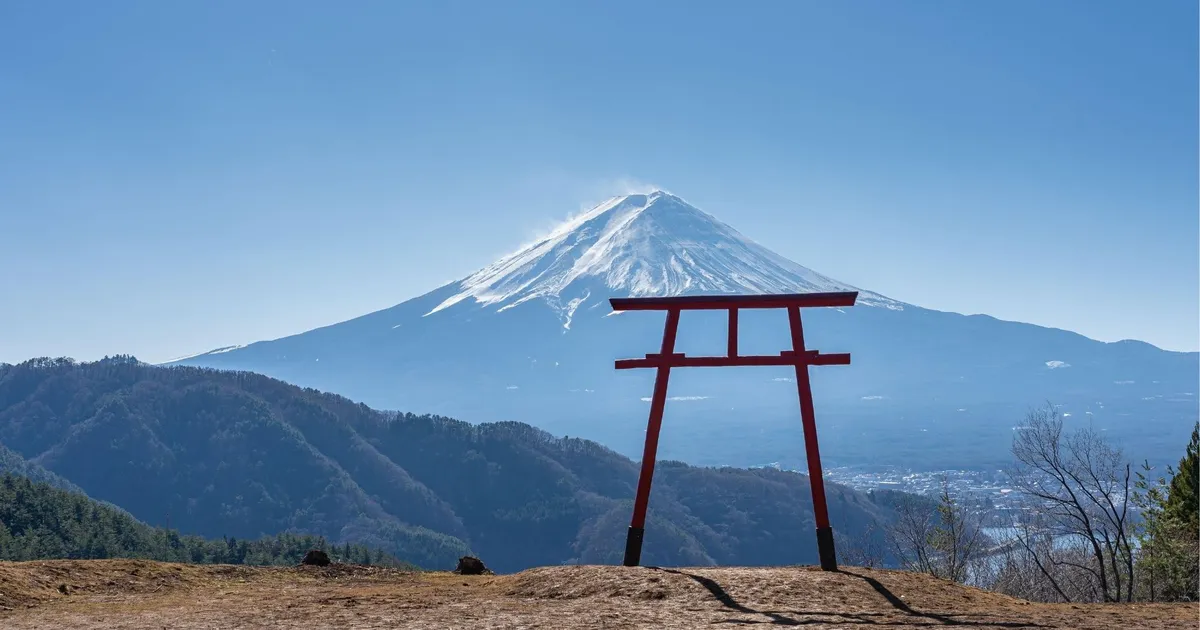
For most people going from Tokyo to Mount Fuji between November 2026 and February 2027, the Shinjuku–Kawaguchiko highway bus (¥2,000 online, about 1 hour 45 minutes) is the best choice. Take the Fuji Excursion train (¥4,200) on a weekend or holiday, or if you hold a JR Tokyo Wide Pass. Book a day tour if you’d rather not deal with transfers, local buses or snow: the Tokyo: Mt Fuji & Oishi Park & Lake Kawaguchi & Oshino Hakkai coach tour costs from $49 (4.8/5 from 5,794 reviews) and covers Oishi Park, the lake and Oshino Hakkai in one day.
For every route in every season, including taxis and the summer road ban, see our year-round Tokyo to Mount Fuji transport guide, and if you’re still deciding whether to go at all, start with Mount Fuji in November 2026.
Check Availability
Quick answer
The best way from Tokyo to Mount Fuji in winter
- Cheapest and easiest: the highway bus from Busta Shinjuku to Kawaguchiko, ¥2,200 at the counter or ¥2,000 if you book and pay online. Buses leave every 10–30 minutes in the morning.
- Most reliable on busy days: the Fuji Excursion limited express from Shinjuku, ¥4,200 one way with no change. Four direct trains run each way a day, plus seasonal extras until late November.
- Best value with a rail pass: with the JR Tokyo Wide Pass (¥16,000 for 3 days), the Fuji Excursion costs nothing extra. With a Japan Rail Pass you pay about ¥1,770 for the Fujikyu section.
- Least hassle: a guided day tour from Tokyo. Our best Mount Fuji day tours from Tokyo for November and winter compares them.
- Winter warning: from December to February, snow can cancel highway buses and close the Fuji Subaru Line to the 5th Station. Check service status on the morning you travel.
Main comparison: Tokyo to Kawaguchiko in winter
| Option | Time | One-way cost (adult) | Frequency | Booking | Pros | Cons |
|---|---|---|---|---|---|---|
| Highway bus from Busta Shinjuku | ~1h45 (scheduled) | ¥2,200 counter / ¥2,000 online | Every 10–30 min in the morning | highwaybus.com (Keio) or Fujiyama Connect (Fujikyu), 1 month ahead | Cheapest, direct, luggage hold | Traffic jams; cancelled in heavy snow |
| Highway bus from Tokyo Station (Yaesu) | ~2h–2h10 | ¥2,300 | ~17 a day | Japan Bus Online | Handy if you stay near Tokyo Station or Ginza | Fewer departures than Shinjuku |
| Highway bus from Shibuya (Mark City) | ~2h–2h45 | ¥2,300 (¥2,100 online) | Roughly every 1–2 hours | highwaybus.com | No need to go to Shinjuku | Slower, fewer buses |
| Fuji Excursion (direct train) | ~1h54–2h | ¥4,200 | 4 each way daily (+1 seasonal) | JR East / Eki-net, from 10:00 one month ahead | No traffic, toilets, no change | Twice the bus fare, sells out |
| JR Kaiji/Azusa + Fujikyu at Otsuki | ~2h–2h30 | ~¥3,600 | Roughly hourly | JR ticket plus Fujikyu fare at Otsuki | Flexible times, JR Pass friendly | One change |
| JR local/rapid + Fujikyu local | ~2h45+ | ~¥2,500 | Frequent | IC card (Suica/PASMO) | Cheap, no booking | Slow, several changes |
| Day tour from Tokyo | Full day | Coach from $49; private car and guide from $319 per group | Daily | GetYourGuide | Nothing to organise | Fixed schedule, crowded stops |
| Rental car | ~1h30–3h | Tolls about ¥2,600 from Takaido with ETC, ¥3,000–4,500 from central Tokyo, plus rental and fuel | Any time | Rental companies | Flexible, good for sunrise | Snow, Kobotoke traffic, IDP needed |
Fares and times above come from the operators’ pages and timetables for autumn 2026. Re-check them before you travel (see the list at the end).
Option 1: Highway bus (best for most travellers)
Routes and operators
- Busta Shinjuku → Fuji-Q Highland → Kawaguchiko Station (some buses continue to Fujisan Station or Yamanakako). Keio Bus and Fujikyu Bus run this route jointly. In the October 2026 timetable the first bus leaves Shinjuku at 6:45 and the last at 22:25 (arriving 0:11). The busiest departures are in the morning.
- Tokyo Station (Yaesu South Exit / Tekko Building) → Kawaguchiko, run by JR Bus Kanto and Fujikyu. The fare is ¥2,300, with buses from 6:20 to 18:10. Book through Japan Bus Online.
- Shibuya Mark City → Kawaguchiko / Fujisan Station, run by Fujikyu. The timetable and fares changed on 1 July 2026: ¥2,300 standard, ¥2,100 if you pay by card on highwaybus.com.
- Haneda Airport → Kawaguchiko / Fujisan Station takes about 2h50 and costs ¥3,300. Boarding at Shinagawa costs ¥2,300.
- Narita Airport → Kawaguchiko costs ¥6,000 and takes about 3h40, with only a couple of departures a day (for example 10:35 and 11:05 from Terminal 1). Many travellers find it easier to take the train or a limousine bus to Shinjuku and change there.
Fares and the October 2026 booking change
On the Shinjuku route, the fare is ¥2,200 at the counter and ¥2,000 if you pay online. Children pay half.
The big change this season: from 1 October 2026, Keio and Fujikyu sell their buses on separate websites. Keio-run buses are sold on highwaybus.com. Fujikyu-run buses moved to Fujikyu’s own site, Fujiyama Connect, which replaced its old SEKITORI system. Both sites show the full timetable and send you to the right one when you pick a departure. Fujikyu says reservations cannot be changed across sites: if you booked the wrong operator, you cancel (a fee may apply) and rebook. Coupon and multi-ride tickets bought on highwaybus.com work only on Keio buses. Fujikyu also says fares did not change with the split.
Seats, luggage and toilets
- Booking window: seats open one month before the travel date. Book 3–7 days ahead normally, and as soon as booking opens for autumn-leaf weekends (late October to late November) and the 21–23 November long weekend. Seats are assigned, and you can’t choose one.
- Luggage: suitcases go in the hold under the bus. Fujikyu says luggage space cannot be reserved, so if the hold is full you may not be able to bring a big bag. On a busy day, groups with large cases should send bags ahead to their hotel.
- Toilets: Keio’s English booking site says its buses have toilets, except some extra buses added at peak times. Use the toilet at Busta Shinjuku before you board anyway.
How to book and ride the bus (step by step)
- Pick a departure on highwaybus.com or Fujiyama Connect. Note which operator runs it (Keio or Fujikyu).
- Pay online by card to get the ¥2,000 fare. Save the e-ticket or QR code.
- Go to Busta Shinjuku, 4th floor, directly above the JR Shinjuku New South Exit. Arrive 15–20 minutes early.
- Find your gate on the departure boards and show your ticket to the driver. Hand large bags to the attendant at the luggage hold.
- Get off at the right stop. Use Chuo Expressway Shimoyoshida for the Chureito Pagoda (about a 10-minute walk), Fuji-Q Highland, or Kawaguchiko Station for the lakes.
- Book your return before you leave Tokyo. Afternoon buses back to Shinjuku fill up first.
Traffic and snow delays
Bus timetables are drawn up for clear roads, and Fujikyu does not refund fares for late arrivals. The well-known bottleneck is the Kobotoke Tunnel on the Tokyo-bound Chuo Expressway. On weekend and holiday afternoons the jam there can add an hour or more to the trip back. In heavy snow, highway buses between Tokyo and Kawaguchiko can be cancelled outright.
Option 2: Train
Fuji Excursion (Fuji Kaiyu) limited express
This is the only direct train from Shinjuku to Kawaguchiko. Between Shinjuku and Otsuki its three cars are coupled to a Kaiji or Azusa train, then they continue on Fujikyu tracks.
- Fare: Fujikyu Railway’s current page lists Shinjuku–Kawaguchiko at ¥4,200 (¥2,580 base fare + ¥1,620 limited express ticket), alongside its timetable valid from 14 March 2026. The ¥4,130 figure you may still see online (¥2,510 + ¥1,620) comes from the 2025 timetable.
- Trains: four round trips a day. Outbound trains leave Shinjuku at 7:30, 8:30, 9:30 and 10:30. Return trains leave Kawaguchiko at 14:08, 14:58, 16:48 and 17:41.
- Seasonal extras for November 2026: No. 93 (Shinjuku 11:34 → Kawaguchiko 13:31) and No. 94 (Kawaguchiko 15:39 → Shinjuku 17:45) run on weekdays until 30 November. No. 81 (9:02 → 11:15) and No. 78 (16:12 → 18:29) run on weekends and holidays until 29 November, including 21–23 November.
- December to February: as of mid-October 2026, the winter extra trains had not been announced. JR East usually publishes its winter extra-train list in mid-October. Last winter the weekday extras ran from 1 to 29 December and from mid-January, and a special pre-dawn “first sunrise” train ran on 1 January.
- Seats: every seat is reserved. Tickets go on sale at 10:00 JST one month before travel on JR-EAST Train Reservation / Eki-net, at ticket machines and at ticket offices. If reserved seats sell out, Fujikyu also sells a seat-unassigned ticket valid for your date and section.
JR Pass and JR Tokyo Wide Pass
- Japan Rail Pass: it covers the trip only as far as Otsuki. Beyond that you pay Fujikyu: the ¥1,170 fare plus the ¥600 Fuji Excursion surcharge, ¥1,770 one way. That’s still cheaper than the bus. One catch: on the way back your seat reservation may only cover Otsuki–Shinjuku, so check which seat you can use before Otsuki.
- JR Tokyo Wide Pass: ¥16,000 for adults and ¥8,000 for children (6–11), valid for 3 consecutive days. JR East raised the price from ¥15,000 (child ¥7,500) for passes sold from 14 March 2026. It covers the Fujikyu Railway, including the Fuji Excursion, but reserved seats on Fujikyu’s own Fujisan View Express and Fujisan Express cost extra. A Fuji Excursion round trip costs ¥8,400, so the pass pays off only if you take another long JR trip within the same three days, such as Nikko, Karuizawa or the Narita Express.
Neither pass is sold on GetYourGuide; buy them from JR East or an authorised agent.
Changing at Otsuki: Kaiji/Azusa + Fujikyu Railway
If the direct seats are sold out or the times don’t suit you, take a JR Kaiji or Azusa limited express from Shinjuku to Otsuki (about an hour), then change to the Fujikyu Railway. The Fujikyu fare to Kawaguchiko is ¥1,170 and takes about 55 minutes. Local trains cost nothing extra. The Fujisan View Express and Fujisan Express add ¥400, plus ¥200 for a reserved seat. Fujikyu trains run once or twice an hour, and Tokyo Cheapo puts the whole trip at about 2–2.5 hours for roughly ¥3,600 from Shinjuku with a Fujikyu local train (around ¥4,000 on a Fujikyu limited express). The cheapest way is JR rapid or local trains via Takao, at around ¥2,500 if you have time to spare.
One trap on the way back: Kawaguchiko, Fujisan and Shimoyoshida stations don’t sell tickets for JR Kaiji/Azusa trains from Otsuki, so book that leg before you leave Tokyo.
How to book and ride the train (step by step)
- Set an alarm for 10:00 JST, one month before your travel date. That’s when seats go on sale.
- Book on JR-EAST Train Reservation (English) or Eki-net. Choose the full Shinjuku–Kawaguchiko journey, including the fare.
- Pick up or scan your ticket at a JR East reserved-seat machine, or use the QR/e-ticket if offered. Pass holders reserve seats with their pass.
- Board cars 1–3 only at Shinjuku (usually from platform 9 or 10; check the board). The other cars split off at Otsuki and go elsewhere.
- Ride straight through to Kawaguchiko. You can get off at Shimoyoshida for the Chureito Pagoda or at Fuji-Q Highland.
Shinkansen to the south side (Mishima, Gotemba)
- Tokyo → Mishima by Kodama or Hikari Shinkansen takes about 50 minutes and costs ¥4,070 for an unreserved seat. From there, the Mishima–Kawaguchiko Liner bus takes 80–90 minutes and costs ¥2,700 (¥2,500 online, reservations required). It makes sense mainly if you’re combining Fuji with Izu, or if you have a JR Pass and want to ride the Shinkansen.
- Gotemba: Odakyu highway buses run from Busta Shinjuku (the regular adult fare is about ¥2,000), or take the Odakyu Fujisan Romancecar from Shinjuku. Gotemba–Kawaguchiko buses cost ¥1,750 on the regular bus or ¥2,300 on the limited express. Gotemba is the base for the Shizuoka side and the outlets, but the Fuji views there are less dramatic than from the lakes. See Kawaguchiko vs Hakone in November.
- Fujiyoshida (Fujisan Station / Chureito): every bus and train above stops there or nearby, so you don’t need a separate plan.
Option 3: Day tours
Coach tours from Shinjuku or Tokyo Station visit Kawaguchiko, the Chureito Pagoda, Oshino Hakkai and sometimes the 5th Station. On GetYourGuide the Tokyo: Mt Fuji & Oishi Park & Lake Kawaguchi & Oshino Hakkai coach costs from $49 (4.9/5 from 349 reviews), the same price as the larger tour named at the top of this page. A private car and driver costs far more: the From Tokyo: Mount Fuji Private Tour With English Guide starts at $319 per group (4.9/5 from 880 reviews), and our breakdown of the private tour shows what that buys.
- Winter pros: pickup near your hotel area, no separate buses and trains to book, and the guide handles road closures by changing the route.
- Winter cons: a fixed schedule means you can’t wait out clouds. The 5th Station is often dropped when the Subaru Line is closed. Tours also get stuck in the same Kobotoke traffic.
We compare specific tours, including cancellation terms for bad weather, in the best Mount Fuji day tours from Tokyo for November and winter.
Option 4: Driving or rental car
- Licence: most visitors need an International Driving Permit issued under the 1949 Geneva Convention, along with their home licence and passport. Drivers from Switzerland, Germany, France, Belgium, Monaco and Taiwan need an official Japanese translation instead.
- Winter tyres: Budget Rent a Car’s Kawaguchiko Station branch lists studless tyres as standard from about December to April, while Fuji Premium Car Rental fits them only on selected vehicles (December to March). Tokyo branches often don’t, so request them or rent locally. Chains may be required in heavy snow.
- Tolls: the Chuo Expressway from Takaido to Kawaguchiko IC costs about ¥2,600 with ETC for a standard car. Joining the Shuto Expressway in central Tokyo adds its own toll, so expect roughly ¥3,000–4,500 from the city centre. Check the exact amount on NEXCO’s Drive Plaza calculator, and rent an ETC card with the car.
- Fuji Subaru Line toll: ¥2,800 return for a standard car (¥1,200 when only the lower section is open), cash only (no cards, no ETC). From 16 November the gate opens at 9:00 (9:00–17:00 to 30 November), and from December to February the gate is open 9:00–16:00, with the last descent an hour after closing; these hours come from published schedules, so confirm them on the day. Last winter the 5th Station was reachable until 18 January 2026; after that the road went only to the 1st or 4th Station until it reopened in full on 18 April.
- Parking: lakeside car parks and hotels usually have space in winter, except on festival weekends.
- Our view: take the bus or train to Kawaguchiko and rent a car there if you want sunrise spots or the far lakes. You skip Tokyo traffic and get a car with snow tyres. Rental cars are not sold on GetYourGuide, so book with a rental company directly.
Getting to the 5th Station in winter
The Kawaguchiko–5th Station local bus runs all year when the road is open. Fujikyu’s off-season timetable from 1 October 2026 has 5 round trips a day:
- Up: Kawaguchiko Station departs 9:40, 10:40, 11:40, 13:00 and 14:00 (Fujisan Station 10 minutes earlier).
- Down: the 5th Station departs 11:30, 12:30, 13:30, 14:50 and 15:50 (last bus).
- Fares: ¥2,000 one way, or ¥3,400 return (valid two days).
- Payment: pay cash or with an IC card on board. The 5th Station counter takes cash only.
If the Subaru Line is closed, or open only to the 1st Station, buses are cancelled. If it’s open to the 4th Station, buses turn around there. No separate deep-winter timetable is published, so from December expect service to depend on the day’s road conditions. Our Fuji Subaru Line 5th Station guide covers what’s up there.
The direct Shinjuku–5th Station bus: this bus (¥3,800, reserved seats) runs from spring to autumn. Japan-guide’s 2026 listing runs only until 31 October, and it does not run in winter, so plan on taking the bus to Kawaguchiko and changing there. The mountain is also closed for climbing: see can you climb Mount Fuji in November or winter?
Sample day-trip timetable (weekday, November 2026)
| Plan | Outbound | Arrive | Return | Back in Tokyo |
|---|---|---|---|---|
| Bus, early start | Shinjuku 7:05 | Kawaguchiko 8:40 | Kawaguchiko 15:40 | Shinjuku 17:25 |
| Train, full day | Shinjuku 7:30 (Fuji Excursion 3) | Kawaguchiko 9:28 | Kawaguchiko 17:41 (No. 48) | Shinjuku 19:48 |
| Bus + 5th Station | Shinjuku 6:45 | Kawaguchiko 8:30 → 9:40 bus | 5th Station 12:30 → Kawaguchiko 13:15 | Bus 15:00 → Shinjuku ~16:45 |
| Tokyo Station bus | Tokyo 7:20 | Kawaguchiko 9:22 | Kawaguchiko 16:30 | Tokyo 18:35 |
Last returns to Tokyo (from the October 2026 timetables; check them for your date):
| Service | Last departure from Kawaguchiko | Arrives |
|---|---|---|
| Highway bus to Shinjuku | 20:15 | 22:00 |
| Highway bus to Tokyo Station | 19:30 | 21:27 |
| Fuji Excursion (direct train) | 17:41 | 19:48 (weekends 19:40) |
| Fujikyu + JR via Otsuki | Evening trains; check JR’s last Kaiji/Azusa | Varies |
Bus times are scheduled times, and the trip back on weekend afternoons can take much longer.
Winter disruption checklist
- Check the forecast the night before for snow warnings in Yamanashi (Japan Meteorological Agency). Snow in Tokyo often means suspended buses.
- Check live status on the morning you travel: Fujikyu Railway train status, Fujikyu Bus notices, operation info on highwaybus.com (Keio), and JR East train info (JR East app or website).
- Have a backup: if buses are cancelled, the train usually keeps running. If you hold a bus ticket, cancel it on the site where you booked.
- Avoid peak road days: 21–23 November 2026 (a three-day weekend for Labour Thanksgiving Day) and New Year, 29 December to 3 January. Travel early in the morning, or take the train.
- Leave the lakes before 15:00 or after 19:00 at weekends to dodge the Kobotoke Tunnel jam.
- Carry cash for the 5th Station bus and the Subaru Line toll.
- Get mobile data (a Japan eSIM) to check timetables and status on the go.
- Buy travel insurance that covers weather cancellations.
- Have a cloud plan B: our Mount Fuji visibility guide explains when the mountain is most often clear.
- Dress for −5 °C at dawn: see what to wear at Mount Fuji in November and winter.
Sunrise and overnight: why you should sleep at the lake
Winter sunrise is around 6:00–6:50, and the first bus from Shinjuku doesn’t arrive until about 8:30, so you can’t see sunrise at Fuji on a day trip by public transport. The 5th Station is out too, because the Subaru Line gate opens at 9:00 from mid-November. Stay one night at Kawaguchiko and you can see dawn from the lakeshore, Chureito or Oishi Park, when Fuji is most likely to be clear. Our guide to where to stay at Lake Kawaguchiko sorts the hotels by shore and Fuji view, and our best places to see Mount Fuji lists the dawn viewpoints.
Recommendation matrix
| You are… | Best option | Why |
|---|---|---|
| Cheapest | Highway bus, booked online (¥2,000) | Lowest fare on a direct route |
| Fastest (reliably) | Fuji Excursion | About 2 hours and no road traffic, so no Kobotoke risk |
| Most comfortable | Fuji Excursion | Reserved reclining seats, toilets, power outlets |
| Most flexible | Bus there, then a rental car from Kawaguchiko | Departures all day and freedom at the lakes |
| JR Pass holder | Fuji Excursion (pay ¥1,770 at Otsuki) | Cheaper than the bus once the JR section is covered |
| Tokyo Wide Pass holder | Fuji Excursion | Fully covered |
| Travelling with luggage | Fuji Excursion or an off-peak bus | Train luggage space is guaranteed; the bus hold isn’t |
| Family with kids | Fuji Excursion or a coach day tour | Toilets, no transfers, and kids pay half fare on the train |
| Sunrise or overnight | Bus or train in the afternoon, then sleep at the lake | Dawn views without a 4 a.m. start |
| Hate planning | Private day tour or coach tour | Everything is arranged for you |
Planning around the festival? Our Fujikawaguchiko Autumn Leaves Festival 2026 guide has the crowd timing.
FAQ
What is the cheapest way from Tokyo to Mount Fuji?
The highway bus from Busta Shinjuku to Kawaguchiko, at ¥2,000 if you book and pay online (¥2,200 at the counter). Local trains via Otsuki cost a little more and take much longer.
Is the bus or train better to Mount Fuji in winter?
On weekdays, the bus wins on price and frequency. At weekends, on holidays and on snowy days, the Fuji Excursion train is more reliable because it avoids the Chuo Expressway.
How much is the Fuji Excursion from Shinjuku to Kawaguchiko?
¥4,200 one way for adults (¥2,580 fare + ¥1,620 limited express ticket), according to Fujikyu Railway’s current page. The ¥4,130 figure you may see online is from 2025.
Does the JR Pass cover the trip to Mount Fuji?
Only as far as Otsuki. You pay about ¥1,770 for the Fujikyu section on the Fuji Excursion. The JR Tokyo Wide Pass (¥16,000) covers the whole trip.
Can I take a bus to the Mount Fuji 5th Station in winter?
Yes, from Kawaguchiko or Fujisan Station, 5 round trips a day at ¥2,000 one way, but only when the Fuji Subaru Line is open. In deep winter, buses may turn back at the 4th Station or be cancelled. The direct bus from Shinjuku does not run in winter.
Do I need to book the Shinjuku–Kawaguchiko bus in advance?
Yes, for weekends, holidays and autumn-leaf season, ideally a week ahead or as soon as booking opens a month before. Since 1 October 2026, Keio buses are booked on highwaybus.com and Fujikyu buses on Fujiyama Connect.
What time is the last bus from Kawaguchiko to Shinjuku?
In the October 2026 timetable it left at 20:15, arriving 22:00. Check your exact date, as winter timetables can change.
Can I see sunrise at Mount Fuji on a day trip from Tokyo?
Not by public transport. Stay overnight at Kawaguchiko, or drive yourself, to catch dawn views.
Re-check before you travel
- Shinjuku–Kawaguchiko bus fare (¥2,200 counter / ¥2,000 online) and the winter timetable from 1 November 2026
- Which operator runs your bus, and whether to book it on highwaybus.com or Fujiyama Connect
- Fuji Excursion fare (¥4,200) and whether winter extra trains (December 2026 to February 2027, New Year) have been announced
- JR Tokyo Wide Pass price (¥16,000) and the Japan Rail Pass Fujikyu supplement (¥1,770)
- Kaiji/Azusa + Fujikyu combined fare (~¥3,600) and connection times at Otsuki
- Tokyo Station (¥2,300), Shibuya (¥2,300/¥2,100), Haneda (¥3,300) and Narita (¥6,000) bus fares and departures
- The 5th Station local bus timetable, fares (¥2,000/¥3,400) and whether it’s suspended or turning at the 4th Station
- Whether the direct Shinjuku–5th Station bus has a 2027 start date
- Fuji Subaru Line opening hours (9:00–16:00 December to February) and the toll (¥2,800, cash)
- Chuo Expressway ETC toll on NEXCO Drive Plaza
- Last buses and trains back to Tokyo on your travel date
- Mishima–Kawaguchiko Liner (¥2,700) and Gotemba bus fares
- Snow warnings and live service status on the morning you travel
Your Own Car, Your Own Day at Mount Fuji
Rated 4.9/5 by 675 travellers. Hotel pickup in Tokyo, an English-speaking driver-guide, and an itinerary you set yourself — with free cancellation up to 24 hours before.
Check Availability & Book